
Repositioning Cruises: A Leisurely Way for Seniors to Cross the Atlantic or Pacific

Key Takeaways
- Repositioning cruises move ships one-way between regions, resulting in extended sea-day stretches ideal for a relaxed pace.
- Transatlantic crossings typically run 10–16 nights; transpacific crossings can last 16–25 nights or longer.
- More sea days mean more time to use onboard amenities, attend lectures, and rest without port-day pressure.
- One-way routing requires planning for flights home from the destination port — factor this into your overall budget.
- Seniors with mobility considerations should verify accessible cabin options and gangway arrangements before booking.
- Motion sensitivity is worth discussing with a healthcare provider before committing to an extended open-ocean crossing.
Repositioning Cruise
A repositioning cruise occurs when a cruise line moves one of its ships from one home port to another — typically between ocean regions — at the change of seasons. Rather than sailing a circular itinerary, the ship makes a one-way crossing, such as from Florida to Barcelona or from Los Angeles to Sydney. Passengers book these voyages to experience the crossing itself, which often includes many consecutive days at sea with fewer port stops.
Because cruise lines need to relocate ships regardless of passenger demand, repositioning sailings are generally priced differently than standard itineraries — though price alone should not be the deciding factor when planning a trip.
What Makes a Repositioning Cruise Different
Most cruises follow a loop: you depart from a home port, visit several destinations, and return to the same dock. A repositioning cruise breaks that pattern entirely. The ship has a practical reason to be somewhere else — a new seasonal deployment — and passengers essentially come along for the journey.
This structure produces a fundamentally different rhythm. A standard seven-night Caribbean cruise might include five port days and two sea days. A 14-night transatlantic repositioning voyage might flip that ratio, offering eight or nine consecutive sea days bookended by a few port stops. For seniors who find the daily rush of tendering ashore, navigating unfamiliar cities, and returning before departure time exhausting, this inversion is genuinely appealing.
See our overview of repositioning cruises for senior travelers for a broader look at why this format suits an unhurried pace.
10–16
Typical transatlantic repositioning voyage length (nights)
Most transatlantic repositioning sailings fall within this range, depending on intermediate port stops and the specific embarkation and disembarkation cities involved.
16–25+
Typical transpacific repositioning voyage length (nights)
Transpacific crossings are among the longest standard itineraries available in the cruise industry, with some voyages exceeding 25 nights depending on routing.
60–70%
Estimated proportion of days at sea on many repositioning sailings
The ratio of sea days to port days varies by itinerary, but extended open-ocean crossings commonly feature more sea days than any other cruise type.
The Case for Sea Days: Rest, Routine, and Enrichment
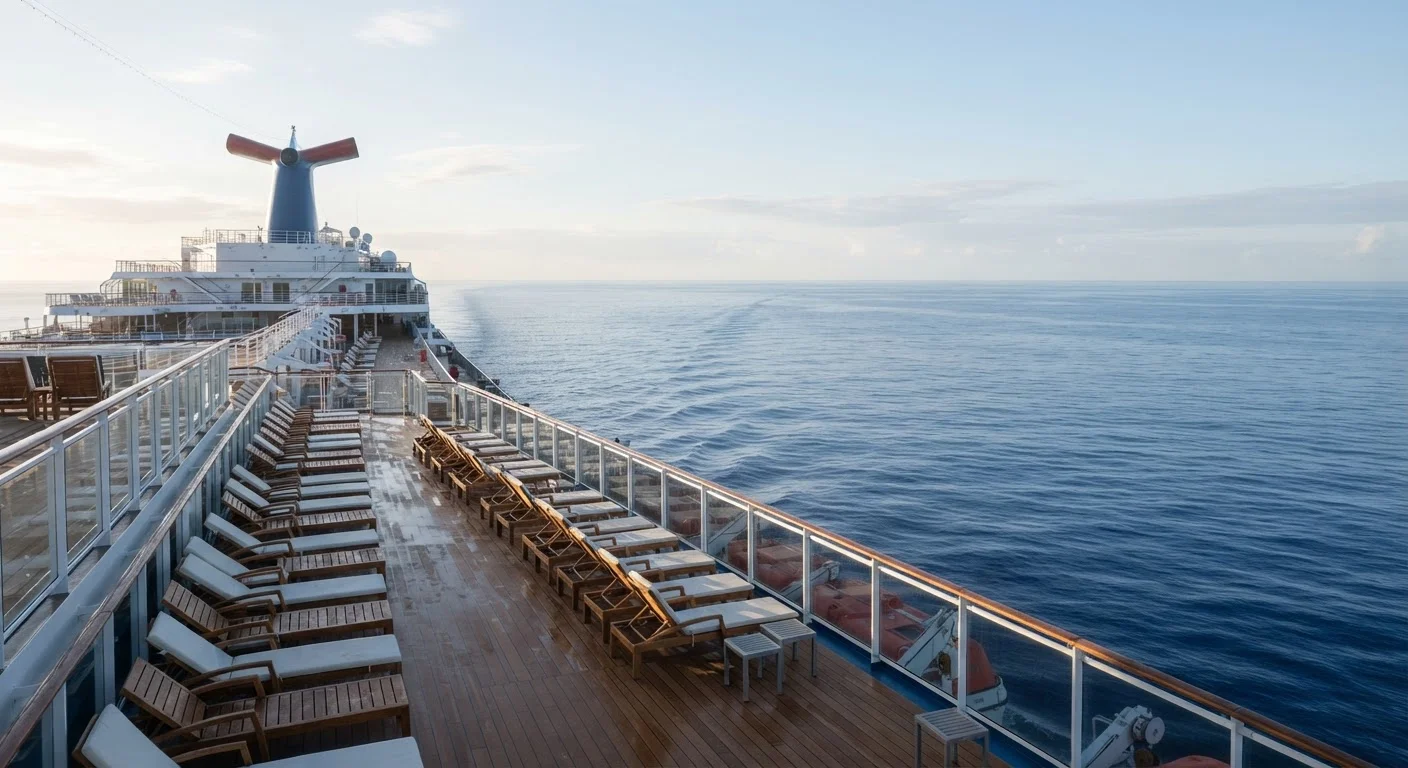
Sea days are the defining feature of any repositioning crossing, and they deserve serious consideration rather than dismissal. A well-designed sea day aboard a modern cruise ship offers a full schedule without any obligation to follow it.
Typical enrichment programming on repositioning voyages includes destination lectures by historians or naturalists, culinary demonstrations, language tasting classes, craft workshops, and live performances in the evenings. Ships crossing the Atlantic or Pacific frequently add themed content tied to the voyage — talks on maritime navigation, the history of transatlantic travel, or the ecology of the ocean regions being traversed.
For seniors who benefit from structured days with plenty of rest built in, this environment is well-suited. Meals arrive at predictable times, medical facilities are aboard, and there is no requirement to walk uneven cobblestone streets or rush between tour groups. Our companion article on rest and recovery during sea days covers how to make the most of this time onboard.
Choose Your Cabin Location Carefully
On an extended ocean crossing, cabin placement matters more than on a short itinerary. Midship staterooms on lower decks experience the least movement in rough seas, which can make a meaningful difference over multiple consecutive sea days. If motion sensitivity is a concern, request a midship, lower-deck cabin when booking and discuss any precautions with your doctor before departure.
Atlantic vs. Pacific: Understanding the Two Main Crossings
The two most common repositioning crossing types — transatlantic and transpacific — differ meaningfully in duration, sea conditions, and the ports encountered along the way.
Transatlantic Crossings
These typically originate from Florida or the US Northeast and end at ports in the United Kingdom, Portugal, Spain, or the Mediterranean. Voyage lengths commonly fall between 10 and 16 nights. The North Atlantic can be rougher than more sheltered seas, particularly in spring, so seniors with significant motion sensitivity should factor this in and discuss the voyage with their doctor beforehand. Many transatlantic repositioning sailings stop at the Azores — a mid-ocean Portuguese archipelago — which provides a scenic and relatively accessible port break.
Transpacific Crossings
These are longer, typically 16 to 25 nights, connecting US West Coast ports (commonly Los Angeles or San Francisco) with Hawaii, Japan, Australia, or New Zealand. The Pacific is generally calmer than the North Atlantic, though conditions vary by season and route. Hawaii stops are common on eastward repositioning returns, offering a well-infrastructure port environment that many seniors find accessible.
For an honest look at what awaits ashore on the Pacific side, our article on South Pacific port accessibility for senior cruisers is a useful planning reference.
Practical Considerations Before You Book
Repositioning cruises introduce a few logistics that standard round-trip sailings do not. Understanding them ahead of time prevents surprises.
- One-way flights: You will depart from one city and arrive in another. Both your outbound and return flights must be planned independently, and one-way airfares can be higher than round-trip fares. Build adequate buffer time before and after the sailing.
- Accessible cabin availability: Because repositioning voyages attract a diverse mix of passengers, accessible staterooms can fill quickly. If you require a roll-in shower, grab bars, or a wider cabin doorway, confirm availability and book early.
- Tender vs. dock ports: Some intermediate stops on repositioning sailings use tender boats — small vessels that shuttle passengers between the anchored ship and shore. For seniors with limited mobility, tender ports can be difficult or impractical. Ask specifically about each port of call when reviewing the itinerary.
- Travel insurance: Extended ocean crossings represent a different risk profile than short Caribbean itineraries. Review any travel insurance policy carefully for coverage related to medical evacuation at sea and trip interruption. This is general guidance — consult a licensed insurance professional for advice suited to your situation.
For broader planning guidance, our complete guide to cruising comfortably as a senior covers ship selection, medical considerations, and disembarkation tips.
Repositioning Schedules Vary by Year
Cruise lines adjust their seasonal deployments based on fleet size, demand, and itinerary planning — meaning a specific ship or route may not repeat every year. When evaluating a repositioning sailing, confirm the current season's schedule directly with the cruise line or your travel agent rather than assuming prior-year patterns will hold. Itinerary details, including port calls and departure dates, are subject to change.
Is a Repositioning Cruise Right for You?
A repositioning crossing suits seniors who genuinely enjoy the onboard experience — the dining, entertainment, and social rhythm of ship life — and who are not primarily motivated by accumulating port stamps. If sitting on a deck watching the ocean pass, attending an afternoon lecture, and dressing for dinner feels like a satisfying day rather than a wasted one, the format will likely appeal.
It is less well-suited to travelers who feel restless without daily excursions or who require frequent port access to manage health needs that cannot be handled aboard. Motion sensitivity, as noted, deserves honest self-assessment and a conversation with your doctor before committing to an extended open-ocean itinerary.
Seniors who have cruised before and want a longer, more immersive experience at a different pace from typical itineraries consistently cite repositioning voyages as among the most memorable trips they have taken. The comparison with river cruising is worth considering too — our article on European river cruising for seniors outlines why some travelers prefer calmer inland waters and more frequent stops.
Ultimately, a repositioning crossing rewards travelers who embrace the journey itself as the destination — a philosophy that often resonates deeply with experienced senior voyagers.
This article is for general informational purposes only and does not constitute medical, financial, or insurance advice. Consult qualified professionals for guidance specific to your health, coverage needs, and travel circumstances. Always verify entry requirements, visa rules, and travel advisories with official government sources before booking.