

Key Takeaways
- Repositioning cruises occur when ships move between seasonal deployment regions, often yielding longer itineraries at lower fares.
- Multiple consecutive sea days suit seniors who prefer rest and routine over constant port activity.
- Ship size and onboard accessibility vary widely — researching these factors before booking matters.
- One-way voyages require separate return travel arrangements, which adds planning complexity.
- Smaller ports of call on repositioning routes may have limited accessibility infrastructure.
More sea days mean genuine rest and routine
Extended time at sea allows seniors to settle into a comfortable daily rhythm without the pressure of early port calls or frequent disembarkations.
Fewer passengers and lower crowd density
Repositioning voyages tend to sail with lighter passenger loads than peak-season itineraries, making common areas, dining rooms, and elevators noticeably less congested.
Longer itineraries covering significant geography
A single repositioning voyage can connect continents, offering a sense of genuine ocean crossing that typical week-long cruises cannot replicate.
Enrichment programs fill sea days meaningfully
Lines often schedule guest lecturers, cooking demonstrations, and cultural programming specifically for the extended sea passages, giving intellectually curious seniors plenty of engagement.
Often priced below comparable round-trip itineraries
Because repositioning cruises are less prominently marketed and fill seats that would otherwise go empty, fares per night are frequently lower than mainstream sailings of similar duration.
One-way voyage requires separate return travel
The ship ends its journey in a different region from where it departed, leaving passengers responsible for booking their own flights home — often across time zones, which adds cost and fatigue.
Fewer ports, so limited destination variety
Seniors who cruise primarily to explore new destinations may find the limited port schedule unsatisfying compared with itineraries designed around frequent stops.
Older ships sometimes used for these voyages
Repositioning sailings are not always assigned the fleet's newest vessels, and older ships may have accessibility limitations including narrower corridors or fewer adapted cabin options.
Extended sea passages can be isolating for some
Several consecutive days without sighting land is genuinely enjoyable for some travelers but can feel monotonous or disorienting for seniors who prefer visual variety and frequent excursions.
Weather conditions may be rougher on open crossings
Transatlantic and transpacific passages traverse open ocean, where swells and weather are less predictable than in sheltered coastal itineraries — a consideration for seniors prone to motion sickness.
Our Verdict
Repositioning cruises offer a genuinely unhurried style of travel that suits seniors who value extended sea days, immersive voyaging, and a steady daily rhythm. They are not the right fit for travelers who prefer frequent port stops or need the certainty of a round-trip itinerary. Approached with realistic expectations and careful pre-trip planning, a repositioning voyage can be one of the most comfortable and rewarding experiences available to senior cruisers.
Seniors who enjoy relaxed sea days, have flexibility in return travel arrangements, and prioritize comfort and routine over a packed itinerary of port visits.
What a Repositioning Cruise Actually Is
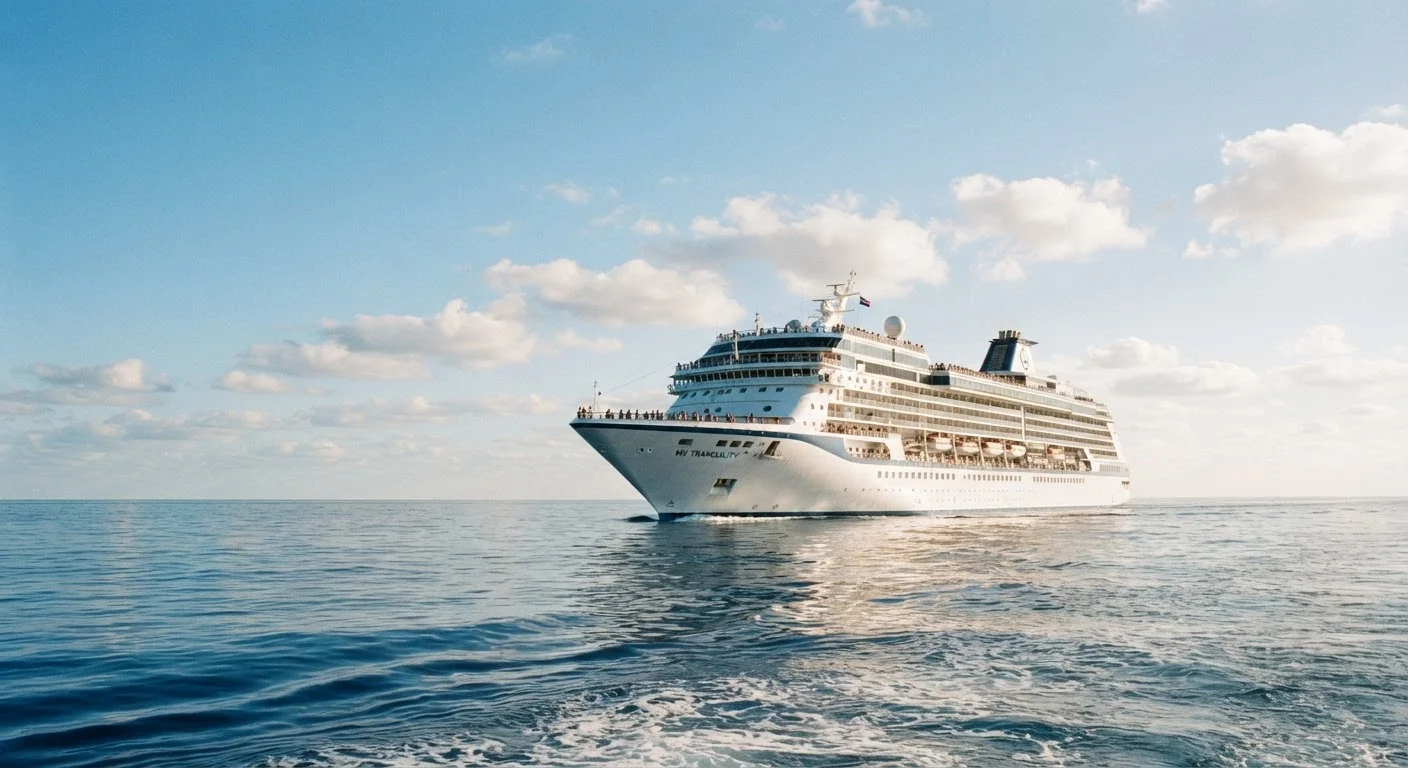
Cruise lines operate on seasonal schedules — ships that spend summer in the Mediterranean, for example, need to cross to the Caribbean before winter. Rather than sailing empty, lines fill these transit voyages with paying passengers. The result is a repositioning cruise: a one-way passage between two regions, often spanning ten days to three weeks, with fewer ports and far more time at sea.
These voyages are less marketed than mainstream itineraries, which is partly why they remain overlooked. For seniors who find packed port schedules exhausting, that lower profile is worth investigating. See our detailed guide to transatlantic and transpacific repositioning voyages for a closer look at specific crossings.
Repositioning vs. World Cruise Segments
Repositioning voyages are sometimes confused with world cruise segments, but they are distinct products. World cruise segments are marketed as part of a longer circumnavigation and typically include more ports. Repositioning cruises are purely logistical transitions between deployment regions and tend to have sparser itineraries. Both can appeal to seniors, but they serve different travel styles and budgets.
The Advantages Worth Knowing
Repositioning itineraries carry several meaningful benefits for senior travelers, particularly those who have found conventional cruise schedules too rushed.
More sea days mean genuine rest and routine
Extended time at sea allows seniors to settle into a comfortable daily rhythm without the pressure of early port calls or frequent disembarkations.
Fewer passengers and lower crowd density
Repositioning voyages tend to sail with lighter passenger loads than peak-season itineraries, making common areas, dining rooms, and elevators noticeably less congested.
Longer itineraries covering significant geography
A single repositioning voyage can connect continents, offering a sense of genuine ocean crossing that typical week-long cruises cannot replicate.
Enrichment programs fill sea days meaningfully
Lines often schedule guest lecturers, cooking demonstrations, and cultural programming specifically for the extended sea passages, giving intellectually curious seniors plenty of engagement.
Often priced below comparable round-trip itineraries
Because repositioning cruises are less prominently marketed and fill seats that would otherwise go empty, fares per night are frequently lower than mainstream sailings of similar duration.
10–21
Typical repositioning voyage length in days
Most repositioning itineraries run between ten and twenty-one days, significantly longer than the average seven-day mainstream cruise.
60–70%
Approximate share of days spent at sea
Industry observers note that repositioning voyages commonly feature sea days comprising the majority of the sailing, with only a handful of port calls included.
Because ships spend several consecutive days at sea between ports, onboard life settles into a comfortable rhythm. Morning lectures, afternoon enrichment programs, and leisurely meals become the focus rather than early disembarkation calls. For seniors managing mobility considerations, not having to navigate a new port every day reduces both physical and cognitive demand. You can read more about using sea days well in our article on rest and recovery on a cruise.
The Disadvantages to Consider Honestly
A balanced assessment requires looking at where repositioning cruises fall short — particularly for seniors with specific health, accessibility, or logistical needs.
One-way voyage requires separate return travel
The ship ends its journey in a different region from where it departed, leaving passengers responsible for booking their own flights home — often across time zones, which adds cost and fatigue.
Fewer ports, so limited destination variety
Seniors who cruise primarily to explore new destinations may find the limited port schedule unsatisfying compared with itineraries designed around frequent stops.
Older ships sometimes used for these voyages
Repositioning sailings are not always assigned the fleet's newest vessels, and older ships may have accessibility limitations including narrower corridors or fewer adapted cabin options.
Extended sea passages can be isolating for some
Several consecutive days without sighting land is genuinely enjoyable for some travelers but can feel monotonous or disorienting for seniors who prefer visual variety and frequent excursions.
Weather conditions may be rougher on open crossings
Transatlantic and transpacific passages traverse open ocean, where swells and weather are less predictable than in sheltered coastal itineraries — a consideration for seniors prone to motion sickness.
The one-way nature of the voyage is the most practical hurdle. Unlike a round-trip cruise departing and returning to the same port, a repositioning voyage ends somewhere different from where it began. That means arranging a separate flight home — sometimes across multiple time zones — which adds cost, complexity, and potential fatigue. Seniors who find international airports challenging should factor this in carefully.
If you're weighing whether a large ocean voyage suits you at all, our article comparing river and ocean cruises for older travellers offers useful context.
Accessibility and Ship Size: What to Research Before Booking
Not all ships used for repositioning voyages are modern, fully accessible vessels. Older ships may have narrower cabin doorways, higher bed frames, fewer elevator banks, or limited accessible cabin categories. Before committing, it is worth requesting the ship's accessibility guide directly from the cruise line and asking specifically about cabin configuration, pool lift availability, and medical facility staffing.
Ship size also affects the experience. Larger vessels offer more onboard facilities — multiple dining venues, well-equipped medical centers, and varied entertainment — which matters during long stretches at sea. Smaller ships may feel more intimate but can offer fewer amenities over a two-week crossing. If you've encountered assumptions about cruising that gave you pause, our article on common cruise misconceptions for senior travellers addresses many of these directly.
For seniors whose priority is calmer waters and guaranteed port accessibility, European river cruising remains a strong alternative worth comparing.
This article is for general informational purposes only. Accessibility features, itineraries, and vessel specifications vary by cruise line and ship. Always verify current details directly with your cruise provider before booking. Consult a qualified healthcare professional regarding any personal health considerations relevant to extended ocean travel.