
Ports in the South Pacific: What Senior Cruisers Can Realistically Expect Ashore

| Common port access types | Pier access and tender landings both common |
| Typical sea days between ports | 2–4 sea days between island groups |
| General terrain | Ranges from flat sandy shores to hilly volcanic interiors |
| Medical facility availability ashore | Limited at remote island stops; better in capital cities |
| Recommended excursion types for seniors | Boat tours, cultural shows, scenic drives, waterfront markets |
| Climate consideration | High heat and humidity; early morning timing advised |
How South Pacific Ports Differ From Other Cruise Regions
The South Pacific is one of the most visually stunning cruise regions in the world, but it presents a very different set of conditions than Caribbean or Mediterranean itineraries. Ports here vary dramatically — from modern, pier-access terminals in cities like Auckland or Papeete to remote tender landings on small islands with minimal shore infrastructure.
For senior travelers, this variability matters more than almost any other factor. A port that looks idyllic on a map may require a 10-minute tender ride followed by uneven coral-path walking, while another stop may offer flat, paved promenades and wheelchair-accessible visitor facilities. Before booking any South Pacific itinerary, it helps to understand what each type of port realistically involves.
Choosing the right cruise itinerary for your mobility level and comfort preferences is just as important as choosing the right ship. The South Pacific rewards those who plan carefully.
| Common port access types | Pier access and tender landings both common |
| Typical sea days between ports | 2–4 sea days between island groups |
| General terrain | Ranges from flat sandy shores to hilly volcanic interiors |
| Medical facility availability ashore | Limited at remote island stops; better in capital cities |
| Recommended excursion types for seniors | Boat tours, cultural shows, scenic drives, waterfront markets |
| Climate consideration | High heat and humidity; early morning timing advised |
Port-by-Port Accessibility: What Seniors Should Know
Here is a plain-language overview of what senior cruisers typically encounter at common South Pacific ports of call:
- Papeete, Tahiti (French Polynesia): A modern commercial port with direct pier access. The central market and waterfront are walkable on mostly flat ground. Heat and humidity can be significant — plan excursions for early morning.
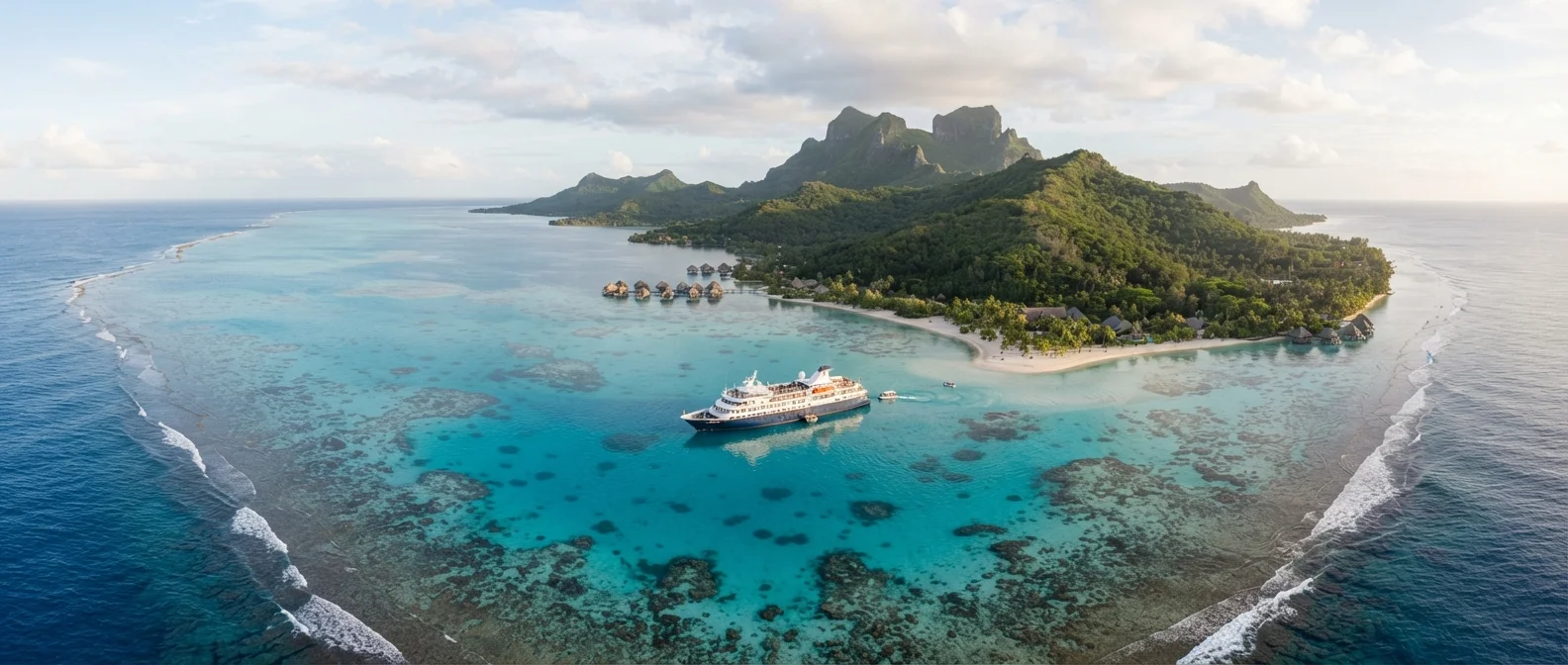
- Bora Bora, French Polynesia: Ships anchor offshore; a tender ride is required. Once ashore, the main village is compact and relatively flat, but many popular attractions involve outrigger canoe transfers or lagoon tours. Excellent for scenic boat excursions rather than walking tours.
- Lautoka or Suva, Fiji: Lautoka offers pier access and a manageable town center. Suva, Fiji's capital, has more urban infrastructure but some hilly terrain. Organized cultural demonstrations and local craft markets provide low-exertion options.
- Apia, Samoa: Ships typically dock at a pier. The waterfront area is accessible, and cultural village visits are available. Roads outside the center may be unpaved or uneven — check excursion descriptions carefully.
- Noumea, New Caledonia: One of the more accessible South Pacific ports, with a French-influenced urban center, paved walkways, and reliable transport connections. Suitable for independent exploration or organized tours.
- Mystery Island / Aneityum, Vanuatu: A tender-only stop on a small, uninhabited island. Terrain is sandy and relatively flat, making it one of the more manageable tender landings. Limited facilities — no medical services ashore.
For a structured framework on evaluating any port stop, see our guide to senior-friendly shore excursions.
Tender Port
A port where the cruise ship anchors offshore and passengers are ferried to land on smaller boats called tenders. This differs from a pier port, where the ship docks directly and passengers walk off the gangway.
Pier Access
A port configuration where the cruise ship docks directly alongside a pier or wharf. Passengers disembark via a gangway, avoiding the need for a tender transfer.
Shore Excursion
An organized outing arranged for cruise passengers during a port stop. Excursions vary widely in physical demand, duration, and accessibility — always review the activity level rating before booking.
Gangway
The ramp or bridge connecting a docked cruise ship to the pier. Gangway angle can vary with tide, so those with mobility concerns should note the conditions at each port.
Tender Transfer
The act of boarding a tender boat from the cruise ship to reach a tender port. It typically involves stepping across a threshold while the vessel moves slightly, which can be challenging for passengers with balance or mobility limitations.
Tender Ports, Pier Ports, and Why the Difference Matters
A tender port requires passengers to board a small boat from the ship to reach shore, since the harbor is too shallow or exposed for the cruise ship to dock directly. Tender landings involve steps, mild rocking motion, and sometimes queuing — factors that can be challenging for passengers with limited balance, joint pain, or mobility aids.
If you use a wheelchair, rollator, or walking frame, always confirm with your cruise line whether your specific ports are tender or pier access. Most lines have policies requiring mobility-aid users to be able to transfer unassisted (or with their travel companion's help) to board tenders. Some tender ports may not be feasible for passengers who cannot manage this transfer safely.
Shore excursions for travelers with limited mobility cover what questions to ask and how to assess whether a specific stop is worth attempting.
Always Confirm Port Access Before Sailing
Port access types can change due to weather, tidal conditions, or pier availability on any given day. Even at normally pier-access ports, your ship may anchor and use tenders if conditions require it. Check with your cruise line closer to departure and speak with the ship's accessibility coordinator if you have mobility considerations. Never rely solely on port descriptions from the time of booking.
Setting Realistic Expectations for a South Pacific Cruise
The South Pacific is not a region where every port will be fully accessible to every traveler. Accepting this honestly — and planning around it — leads to a far more enjoyable voyage. Some of the most memorable experiences available at South Pacific ports require very little physical effort: lagoon boat tours, cultural performances, local markets, and scenic drives can all be arranged without strenuous walking.
Long sea days are also a feature of South Pacific itineraries, not a drawback. Ships typically spend multiple days at sea between island groups, which suits travelers who value onboard relaxation. Repositioning cruises offer a similar rhythm for those who enjoy extended time at sea.
Compared with other warm-weather cruise regions, the South Pacific differs meaningfully in terrain and infrastructure. Hawaii and Caribbean cruises tend to offer more developed port facilities, while Southeast Asia cruise destinations present their own distinct accessibility landscape.
This article provides general travel information for educational purposes. Conditions at individual ports change over time; verify current accessibility details with your cruise line and consult a qualified healthcare professional regarding any personal health considerations before traveling.