

Key Takeaways
- Florida's flat roads and mild winters make it especially well-suited for senior RV travel.
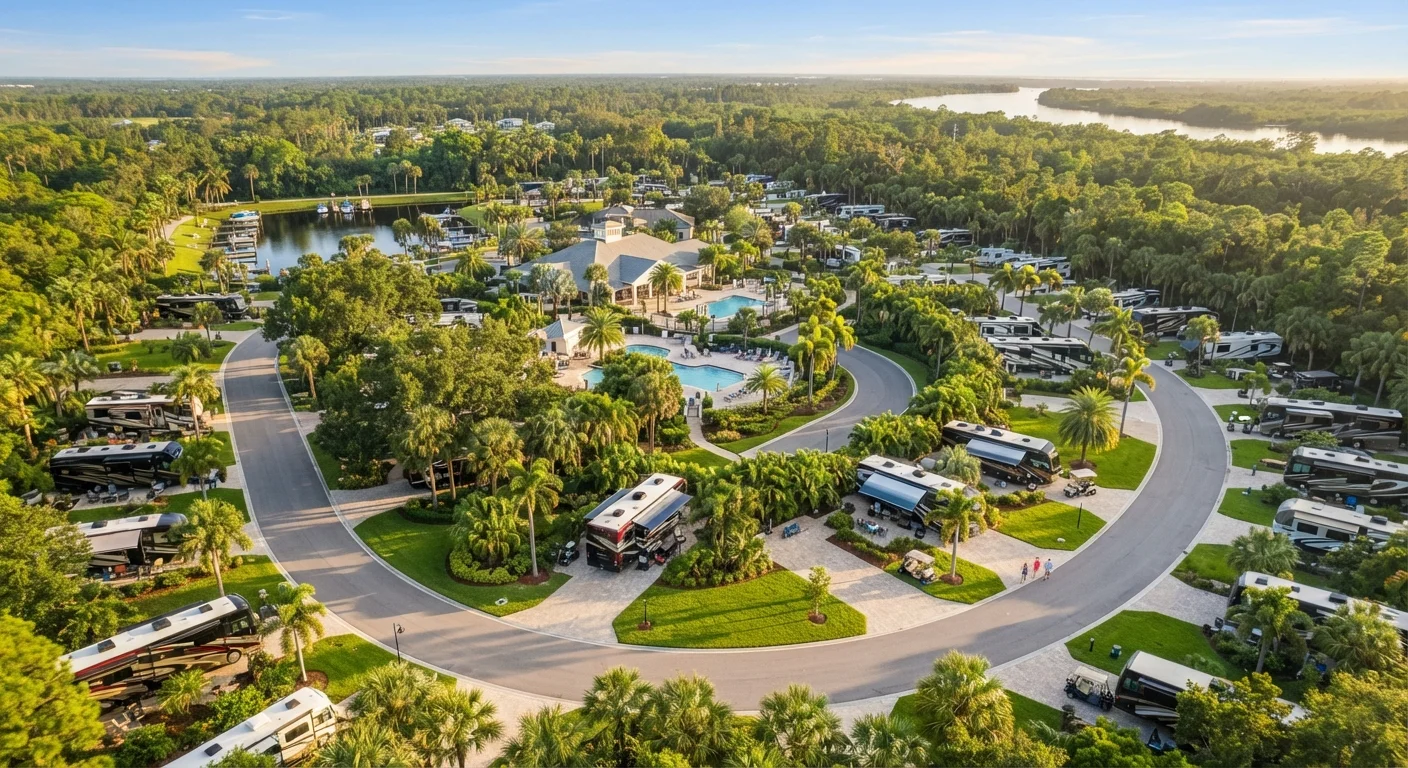
- Many Florida RV parks offer paved sites, accessible bathhouses, and on-site amenities.
- Peak season runs November through March — book campground sites well in advance.
- Healthcare facilities are widely distributed across Florida's major metro areas.
- State parks and private campgrounds each offer distinct advantages worth comparing.
- Humidity and summer heat require thoughtful planning around timing and hydration.
Why Florida Draws Senior RV Travelers
Florida consistently ranks among the most visited RV destinations in the United States, and it's easy to understand why senior travelers are drawn here in particular. The combination of warm winters, flat driving routes, and an unusually high concentration of well-developed campgrounds creates conditions that many older adults find genuinely comfortable.
For retirees looking to escape northern winters without sacrificing convenience, Florida offers a compelling mix. Roads are well-maintained, services are plentiful, and the population includes a large year-round senior community — meaning local businesses, medical providers, and recreation areas are often already calibrated to older adults' needs.
If you're still weighing whether this destination suits your travel style, our comparison of Florida versus Arizona can help you evaluate climate, terrain, and healthcare access side by side.
Over 800
RV parks and campgrounds in Florida
Florida hosts one of the largest concentrations of RV campgrounds of any U.S. state, spanning state parks, private resorts, and county facilities.
~1 million
Snowbirds arriving annually
Florida's tourism and transportation agencies estimate roughly one million seasonal visitors from northern states and Canada arrive each winter.
21.3%
Florida residents aged 65 or older
According to U.S. Census Bureau data, Florida has one of the highest proportions of residents aged 65 and above of any U.S. state.
Terrain, Climate, and What to Expect
Florida's terrain is unusually forgiving for RV drivers. The state is largely flat, with no mountain passes, steep grades, or tight switchbacks to navigate. This matters considerably for seniors who may feel less confident handling a large vehicle through challenging topography.
Winters are the prime season — temperatures across central and southern Florida typically range from the mid-60s to low 80s°F between November and March, with low humidity by Florida standards. Summers bring intense heat, high humidity, and the possibility of afternoon thunderstorms, which makes that season less comfortable for most RV travelers without robust air conditioning systems.
Summer Heat and Humidity Are Significant
Florida summers regularly see heat index values exceeding 100°F, with high overnight humidity that strains RV cooling systems. Senior travelers with cardiovascular or respiratory conditions should consult their healthcare provider before planning a summer visit. The November-to-March window is strongly preferable for comfort and safety.
For a broader look at how warm-weather destinations compare for accessibility and infrastructure, see our guide on warm-weather destinations that prioritise accessibility.
Accessibility Features That Matter Most
Not all campgrounds are created equal, and accessibility features vary widely across Florida's hundreds of RV parks. When evaluating a site, seniors should look beyond price and focus on specifics that affect daily comfort and safety.
- Paved or hardpacked sites: Gravel and grass sites can be uneven, making foot travel difficult for those with limited mobility.
- Level pads: Unlevel sites require more effort to stabilize an RV and can cause ongoing discomfort.
- Accessible bathhouse facilities: Grab bars, roll-in showers, and wide doorways make a significant difference for those with mobility aids.
- On-site laundry and grocery access: Reduces the need to drive off-site for everyday needs.
- Proximity to medical care: Florida has an extensive hospital network, but distance still matters in an emergency.
Our detailed article on what makes an RV park truly senior-friendly covers these features in depth, with practical questions to ask before booking.
When reviewing campground maps online, look specifically for sites labeled 'pull-through' — these eliminate the need to back in, which significantly reduces stress for solo drivers or those with limited mobility.
Pull-through sites allow an RV to enter and exit without reversing, removing one of the most physically demanding and anxiety-inducing maneuvers in RV travel.
Call the campground directly before booking and ask specifically whether their accessible sites have concrete pads and whether the bathhouse has grab bars — don't rely solely on the website description.
Campground websites often describe amenities in general terms; staff can confirm specific details that make a real difference for seniors with mobility needs.
Top Regions to Explore by RV
Florida's geography offers several distinct regions, each with its own character for RV travelers.
The Gulf Coast
The Gulf Coast — running from the Panhandle down through Naples — is known for calm, warm waters and long stretches of accessible beach. Campgrounds in this corridor tend to be well-developed, with many catering specifically to the snowbird community. The driving is straightforward, and distances between services are short.
Central Florida
Central Florida sits at a comfortable inland elevation and offers a wide range of private RV resorts with amenity-rich layouts: pools, fitness centers, organized activities, and large community halls. This region also provides easy day-trip access to major attractions without requiring the RV itself to navigate busy urban roads.
The Florida Keys
The Keys are scenic but require more planning. The Overseas Highway is a single-lane-in-each-direction road, and many campgrounds have size restrictions on rigs. Seniors who prioritize ease of access may prefer other regions, though the scenery is unmatched for those willing to plan carefully.
State Parks
Florida's state park system includes dozens of campgrounds with electric and water hookups, natural settings, and ranger-led programs. They're often quieter and less crowded than commercial parks. Learn more about what this option offers in our article on why full-time RVers often overlook state parks.
Planning a Comfortable Florida RV Trip
Good planning is the foundation of a stress-free trip. Florida's peak season (November through March) means that popular campgrounds — especially along the Gulf Coast — fill up months in advance. Reserving sites early is not just advisable; for certain parks, it's essential.
Book Florida Campsites Early
State park campgrounds in Florida often open reservations six months in advance, and popular sites along the Gulf Coast can be claimed within days of opening. Set a calendar reminder and book as soon as the reservation window opens. Flexibility on specific dates — even by a day or two — can significantly expand your options.
Pacing matters as much as destination. Many senior RV travelers find that limiting driving days to four to five hours and building in rest days between longer segments keeps the trip enjoyable rather than exhausting. Florida's compact geography makes it possible to spend several nights in one location and explore the surrounding area without moving the rig.
For a thorough introduction to planning your first RV road trip in retirement, our resource RV road trips for seniors: what to know before you roll out is a strong starting point. And when evaluating specific campgrounds, the criteria outlined in campground selection: what seniors should prioritise beyond price will help you focus on what genuinely matters.
Health, Safety, and Practical Considerations
Florida's large senior population means healthcare infrastructure is better developed here than in many other RV destinations. Major hospital systems operate throughout the state, and urgent care clinics are found in most towns along primary travel corridors. That said, seniors should always carry a complete medication list, know the location of the nearest emergency room relative to their campground, and ensure their travel health coverage is current.
Verify Your Health Coverage Before Traveling
Medicare coverage is generally accepted at Florida hospitals, but supplemental and Medicare Advantage plans vary in their out-of-state network coverage. Before departure, confirm with your insurance provider which facilities in your planned travel area are in-network. Carrying a summary of your medications, allergies, and primary care contact information is strongly recommended.
Heat safety is a year-round concern in Florida, even in winter for those arriving from cooler climates. Staying hydrated, limiting physical activity during the hottest parts of the day, and ensuring your RV's air conditioning is functioning properly before the trip are all practical precautions.
Wildlife awareness is also worth mentioning. Florida campgrounds near water may have alligators present — a common part of the landscape, but one that requires sensible behavior around shorelines and drainage areas. Always follow posted campground guidelines.
For broader guidance on making RV life comfortable and accessible as an older adult, our Senior RV Living hub brings together planning, gear, and lifestyle resources tailored specifically to seniors on the road.
This article provides general travel information for educational purposes. Health-related considerations mentioned here are not medical advice. Consult a qualified healthcare professional before travel if you have specific medical concerns. Campground availability, pricing, and accessibility features should be verified directly with each provider before booking.