

Key Takeaways
- Altitude above 8,000 feet can cause fatigue, headaches, and breathing difficulty — arrive gradually and rest on your first day.
- Rocky Mountain temperatures can drop 30°F or more overnight; bring layering gear and confirm your RV's heating system is road-ready.
- Steep mountain grades affect both driving safety and fuel efficiency — plan routes with low-grade alternates where possible.
- Many campgrounds above 7,000 feet have limited hookups; call ahead to confirm electric, water, and dump station availability.
- Seniors with heart, lung, or blood pressure conditions should consult a healthcare provider before camping at high elevation.
Understanding the Challenges of High Elevation
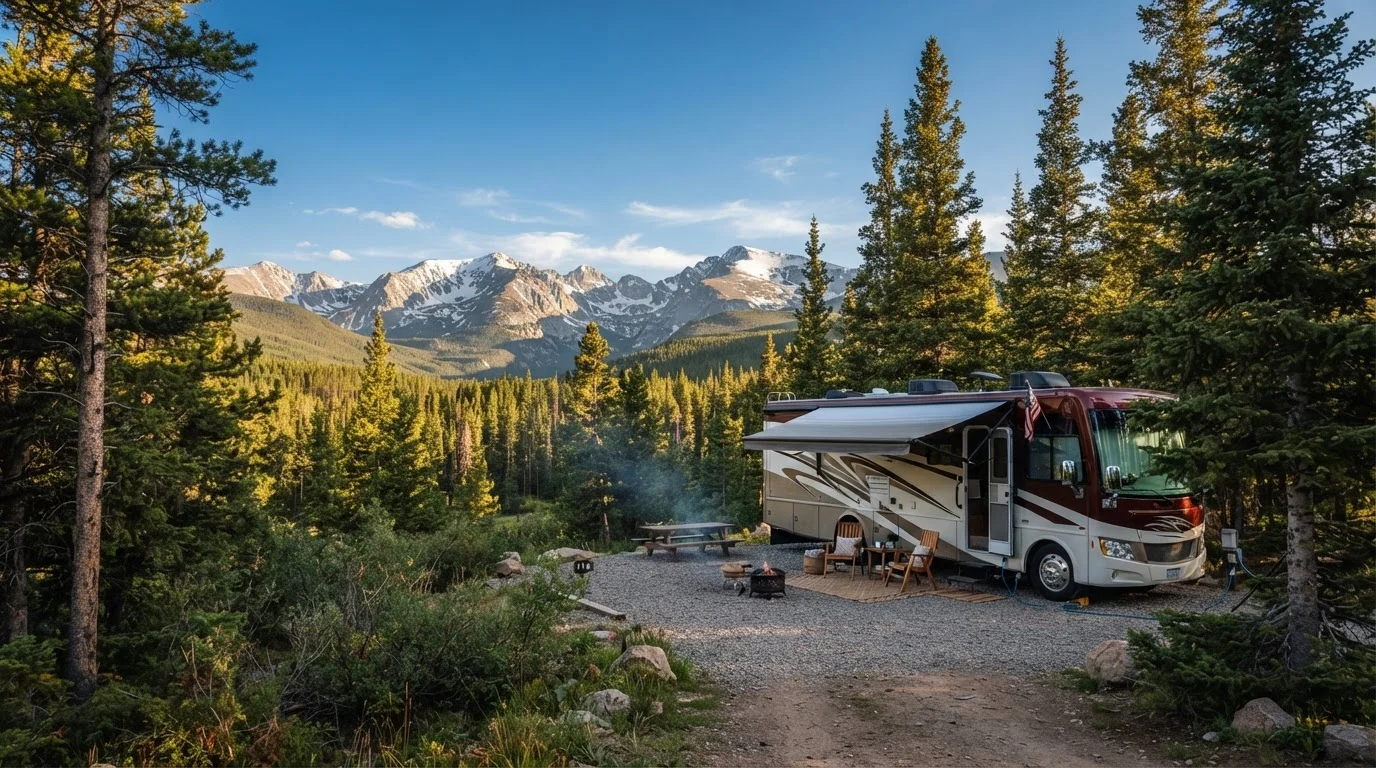
The Rocky Mountains offer some of the most breathtaking RV destinations in the United States — but they come with real physical and logistical demands, especially for older adults. Elevations above 7,000 to 8,000 feet mean noticeably thinner air, which the body must adjust to over one to several days. Common early symptoms of altitude adjustment include mild headaches, fatigue, and slightly disrupted sleep. These are not unusual, but they are worth planning around.
For context: Denver sits at about 5,280 feet; many popular Rocky Mountain campgrounds — such as those near Rocky Mountain National Park — sit at 8,000 feet and above. That difference is enough to affect energy levels and comfort, particularly for seniors. Altitude presents genuine risks for older travelers that are easy to underestimate, especially when arriving by RV after a long driving day.
This article provides general travel information only. If you have a heart condition, respiratory illness, high blood pressure, or other chronic health condition, please consult your healthcare provider before traveling to high-altitude destinations.
When to Seek Medical Attention at Altitude
Mild headache and fatigue are common during the first day at elevation and usually resolve with rest and hydration. However, symptoms such as confusion, loss of coordination, severe shortness of breath, chest tightness, or persistent vomiting require immediate medical attention. These may indicate a more serious altitude-related condition. If you or a travel companion experience these symptoms, descend to a lower elevation and seek care promptly.
Best Practices for a Comfortable Mountain Stay
With thoughtful preparation, seniors can enjoy the Rockies comfortably and safely. The practices below address the most common challenges: altitude acclimatization, temperature management, campsite selection, and safe driving on mountain roads.
Ascend gradually — spend at least one night at an intermediate elevation before reaching your highest campsite.
Your body needs time to produce additional red blood cells and adjust its breathing patterns when oxygen availability decreases. Jumping from sea level to 9,000 feet in a single drive day significantly increases the chance of altitude sickness symptoms.
Drink more water than you normally would — aim for consistent hydration throughout the day.
Dry mountain air and increased breathing rate both accelerate fluid loss at elevation. Mild dehydration worsens altitude headaches and fatigue and can be easily mistaken for altitude sickness.
Call your target campground in advance to confirm hookup availability, road grade, and site size for your RV.
Mountain campgrounds frequently have sites designed for smaller rigs and may offer only partial hookups or no hookup at all. Knowing this ahead of time allows you to bring adequate propane, water, and battery capacity — and avoid arriving at a site too tight for your vehicle.
Check road grades on your planned route and identify low-grade alternatives before departure.
Grades of 6% or higher can strain RV engines and brakes, particularly on longer mountain passes. Descending steep grades without proper brake management is a leading cause of RV incidents in mountain terrain.
Limit strenuous physical activity for the first 24–48 hours at high elevation.
Even light exertion feels harder at altitude as the body adjusts. Overdoing activity too soon increases the risk of altitude-related symptoms worsening.
Carry a cold-weather gear layer in an accessible location inside the RV at all times.
Mountain weather changes rapidly; afternoon thunderstorms and sudden temperature drops are common in summer across the Rockies. Having layers immediately accessible — not buried in storage — keeps you comfortable without a scramble.
Quick Actions You Can Take Before You Go
Good mountain trips are built on preparation done at home, not improvised at the trailhead. These quick steps help you arrive ready rather than reactive. For a broader look at how to configure your RV for senior comfort, see our Senior RV Living hub.
If you're still deciding whether a mountain destination suits your travel style and health profile, our companion article comparing mountain and flatland RV destinations offers a practical framework for choosing based on your needs.
Planning Your Sleep and Packing for the Cold
One thing many first-time mountain campers underestimate is how significantly nighttime temperatures drop at elevation — even in summer. A daytime high of 72°F can fall to the low 40s after dark. Your RV's furnace is your best friend here; verify it's in working order and that your propane supply is adequate before departure.
Sleep quality at altitude can also be affected by lower oxygen levels, which may worsen snoring or cause lighter, less restorative sleep cycles. Our guide to setting up an RV bedroom for better sleep covers mattress support, positioning, and airflow strategies that are especially helpful at elevation.
When packing, prioritize moisture-wicking base layers, a mid-weight fleece, and a windproof outer shell. Don't forget that UV exposure increases at altitude — sunscreen and UV-blocking sunglasses matter more at 9,000 feet than at sea level. For a full senior-focused packing checklist, see our Senior RV Packing Guide.
Pre-Heat Your RV Before Bed
Run your furnace for 20–30 minutes before turning in for the night to bring the interior to a comfortable temperature. At elevation, the RV shell can cool quickly once the heater cycles off, so layering your bedding — including a lightweight wool or synthetic blanket on top — helps retain warmth through the night without running the furnace continuously.
Part of the joy of RV travel is adapting your home-on-wheels to wherever the road takes you. With the right gear and realistic expectations, the Rockies are absolutely within reach. For a complete planning resource covering all stages of senior RV travel, visit our end-to-end Senior RV Living guide.