

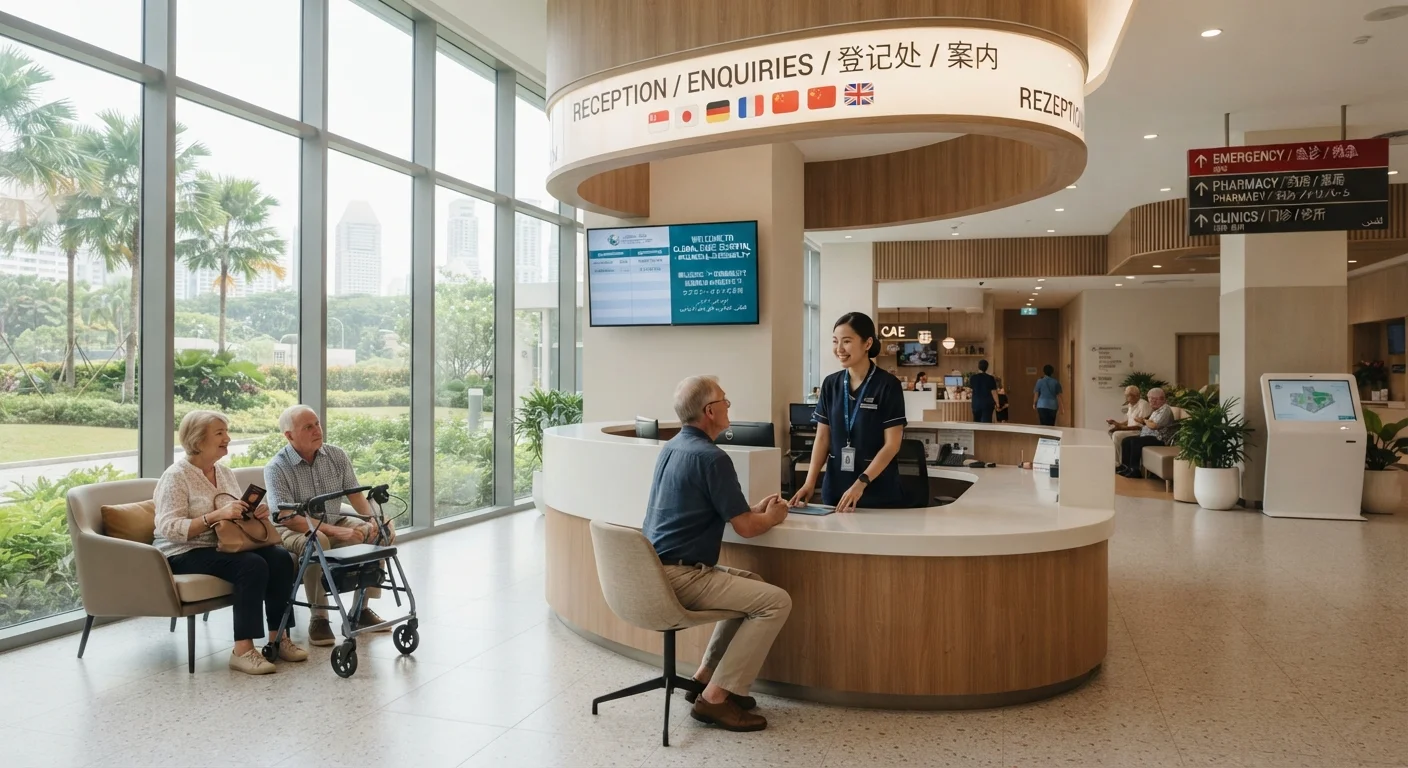
Why Healthcare Access Matters for International Senior Travel
For senior travelers, understanding how a destination handles foreign patients is as essential as knowing the climate or the currency. Medical needs don't pause at borders, and the gap between what a traveler expects and what a local system provides can be significant.
This reference guide outlines how several popular international destinations structure healthcare for visiting foreigners — with a particular focus on practical realities: where to go for care, what costs to anticipate, and what documentation to carry. It is general educational information only, not medical or insurance advice. Always consult a licensed healthcare provider and a qualified insurance professional before traveling.
To understand the broader framework of what makes a destination genuinely comfortable for older visitors, see what makes a country truly senior-friendly.
How Key Destinations Approach Foreign Patient Care
European Union (EU) / Schengen Area: EU member states operate independent national health systems. Most provide emergency care to foreign visitors regardless of insurance status, though billing practices vary. The EHIC — issued to EU residents — does not apply to US citizens. American visitors should not assume public coverage. Private hospitals and international clinics in major cities typically accept foreign patients and may offer English-speaking staff. Costs can be substantial without travel insurance.
United Kingdom: The National Health Service (NHS) provides emergency treatment at NHS hospitals to all visitors, but charges for non-emergency services apply to non-residents. Private hospitals and GP clinics in tourist areas are accessible but come at out-of-pocket cost.
Japan: Japan has a high standard of hospital care and a well-organized emergency system. Major cities have hospitals with designated international patient departments and English-language support. Visitors pay full cost without local insurance, but fees are generally transparent. Japan for senior travelers offers more practical detail on navigating this destination comfortably.
Canada: Provincial health systems cover residents only. Visitors — including Americans — receive no public coverage. Private clinics and hospital emergency departments serve foreign patients, and billing is direct. Costs can be high, making travel insurance especially important.
Mexico and the Caribbean: Major resort areas and cities have private hospitals experienced with foreign visitors. Staff in tourist zones often speak English. Public hospitals provide emergency care, but private facilities generally offer more predictable quality standards for non-residents.
US Medicare Does Not Cover Care Abroad
Original Medicare (Parts A and B) generally does not pay for healthcare services received outside the United States, with very limited exceptions. Seniors relying on Medicare for domestic coverage should understand this gap clearly before traveling internationally. Travel medical insurance or a Medicare Supplement plan with foreign emergency coverage may help bridge this gap — consult a licensed insurance professional to evaluate your options.
What to Carry and How to Prepare
Regardless of destination, certain documentation significantly smooths any healthcare encounter abroad. Carry a printed summary of your medical history, current medications (using generic drug names), known allergies, and your primary physician's contact information. If you manage an ongoing condition, see managing a chronic condition abroad for a detailed preparation checklist.
Language is a practical barrier in medical situations. Many hospitals in tourist-heavy destinations have interpreter services or international patient coordinators, but this is not guaranteed. Strategies for communicating across language barriers can help you prepare for these situations before they arise.
Travel medical insurance is a separate and critical layer of protection. Coverage terms, exclusions for pre-existing conditions, and repatriation provisions vary widely between policies. For a thorough review of how medical travel coverage works, see the full picture of senior travel medical insurance. Always read the actual policy document and speak with a licensed insurance adviser before purchasing.
EHIC
The European Health Insurance Card, issued to residents of EU and certain affiliated countries, providing access to state-provided healthcare during temporary stays in other EU nations. It does not apply to US citizens traveling in Europe.
Repatriation Coverage
A travel insurance benefit that covers the cost of transporting a seriously ill or injured traveler back to their home country for treatment. This can be extremely expensive without coverage.
International Patient Department
A dedicated unit within some hospitals, particularly in major cities, that serves foreign visitors with services such as translation, billing in foreign currencies, and coordination with international insurers.
Generic Drug Name
The non-brand, chemical name of a medication (e.g., metformin rather than a brand name). Using generic names is essential when seeking medications or describing treatments abroad, as brand names differ by country.
Pre-existing Condition Exclusion
A common travel insurance policy clause that limits or eliminates coverage for medical events related to health conditions that existed before the policy was purchased. Terms vary significantly by insurer and policy.
This article is for general informational purposes only. It does not constitute medical, legal, or insurance advice. Healthcare systems, entry requirements, and billing practices change; verify current conditions with official government sources, your healthcare provider, and a licensed insurance professional before traveling.