

Key Takeaways
- Ireland's English language environment significantly reduces navigation stress for senior visitors.
- Rural terrain can be uneven; prioritizing a hired driver or organized tour prevents mobility challenges.
- The mild, damp climate means layering and waterproof gear matter more than heat management.
- Ireland's public healthcare system covers visitors from some countries; verify your coverage before travel.
- Pacing the itinerary with built-in rest days is essential given long driving distances between regions.
Why Ireland Appeals to Senior Travelers
Ireland consistently ranks among the more approachable international destinations for older Americans, and the reasons are practical as much as romantic. The island operates entirely in English, eliminating a common source of travel stress. The pace of daily life — particularly outside Dublin — is unhurried, locals are known for a culture of hospitality, and the country's relatively compact size means major attractions rarely require exhausting cross-country transfers.
For travelers weighing Ireland against more adventurous long-haul alternatives, see our comparison of Australia and New Zealand for senior travelers to understand how Ireland's accessibility profile differs from Pacific-region options. Ireland's shorter transatlantic flight (roughly 6–8 hours from the US East Coast) is also a meaningful factor for those managing fatigue or circulation concerns on long flights.
6–8 hrs
Typical US East Coast to Dublin flight time
Shorter transatlantic flight duration compared to Pacific long-haul destinations, reducing travel fatigue for seniors.
40s–60s°F
Year-round temperature range in Ireland
Ireland's mild, temperate climate means extreme heat is rarely a concern, though rain and cool temperatures require layered clothing.
~5M
Population of the island of Ireland
A compact population and infrastructure mean major attractions are rarely overwhelmingly crowded by international standards.
Getting There and Around
Major US cities including New York, Boston, Chicago, and Los Angeles have direct transatlantic routes to Dublin and Shannon airports. Once on the ground, transportation choices significantly shape the experience. Driving on the left side of narrow rural roads presents a genuine challenge for many visitors, especially on first arrival and with jet lag. Hiring a private driver, joining a small-group guided tour, or relying on intercity coach services are all commonly used alternatives.
Taxis and rideshare services are widely available in Dublin and other cities. Train services connect Dublin to Cork, Galway, and Belfast, offering a comfortable, scenery-rich option with senior-friendly seating. Bus Éireann, Ireland's national bus network, covers more rural routes, though schedules can be infrequent in smaller villages — something worth verifying before committing to a remote itinerary.
If you plan to drive in Ireland, practice left-side driving in a quiet car park before venturing onto rural roads — narrow lanes with hedgerows can feel disorienting on the first day.
Cognitive load from unfamiliar road rules combined with jet lag is a common cause of incidents for visiting drivers in Ireland.
Book intercity trains in advance rather than on the day; reserved seats with a table offer more comfort and stability for longer journeys between Dublin and the west.
Advance booking secures specific seats and often reduces cost; unreserved carriages can fill quickly during peak travel periods.
Regions and Pacing Your Itinerary
Ireland divides naturally into a few distinct travel zones. Dublin and its surroundings offer cultural attractions, accessible footpaths, and proximity to historic sites like Newgrange and Kilkenny Castle. The west coast — Galway, the Aran Islands, and County Clare's Cliffs of Moher — provides dramatic scenery but demands more physical stamina and involves longer drive times. The southwest, including the Ring of Kerry and Dingle Peninsula, is perhaps the most celebrated scenic circuit and is manageable by organized excursion even for those with limited mobility.
A well-paced two-week itinerary might allocate three nights in Dublin, a day trip or two to nearby heritage sites, then travel westward with deliberate rest days built in. Avoid the temptation to cover every county — Ireland rewards slow travel. For broader guidance on managing stamina and rest across extended trips, our complete planning guide for comfort and rest on extended trips offers a practical framework.
Build in a 'Do Nothing' Day
After every two or three days of sightseeing, schedule a full rest day at your base accommodation. Ireland's hotel breakfasts, pub lunches, and village atmospheres make a low-activity day genuinely enjoyable rather than wasted time. This approach prevents the cumulative fatigue that turns a trip from restorative to draining.
Accessibility and Terrain Realities
Ireland's accessibility picture is mixed. Modern city-center hotels, major museums, and many heritage attractions have invested in ramps, lifts, and accessible facilities. Dublin's DART commuter rail and Luas tram system include low-floor vehicles and priority seating. However, many of the country's most iconic outdoor settings — cliff walks, beach approaches, cobblestone village streets, and ancient ruins — involve uneven terrain that can be hazardous for those with balance or mobility concerns.
Honest preparation means researching specific sites before arrival. Fáilte Ireland, the national tourism development authority, publishes accessibility information for major attractions. Many tour operators offer seated coach viewing of scenic routes as an alternative to walking trails. Travelers using wheelchairs or rollators should contact attractions directly to confirm access before visiting.
To understand the broader criteria that determine how comfortable a country will feel for older visitors, see our article on what makes a country truly senior-friendly.
Cobblestones and Cliffside Paths Pose Real Risks
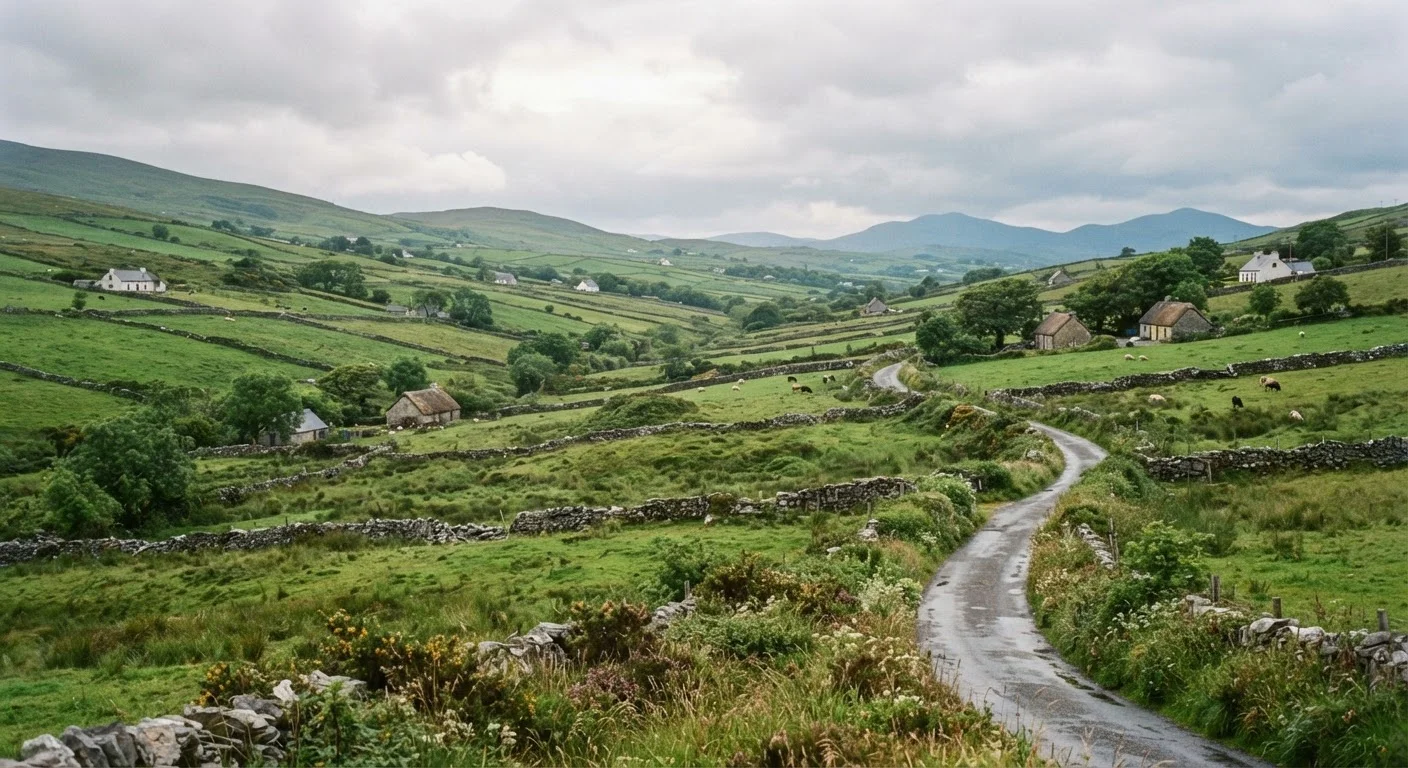
Many of Ireland's most photographed locations — village streets, cliff walks, castle grounds — involve surfaces that are slippery when wet or highly uneven underfoot. Wet weather significantly increases fall risk on these surfaces. Sturdy, non-slip footwear is essential, and travelers with balance concerns should assess each site individually rather than assuming all attractions will be walkable.
Health, Safety, and Practical Logistics
Ireland has a well-developed healthcare infrastructure by international standards. Visitors from the United States are not automatically covered by Irish public health services, so travel health insurance with emergency medical coverage is strongly recommended. Seniors managing chronic conditions should carry sufficient prescription medication for the full trip, along with a written summary of their medical history in case of an emergency — this is general guidance rather than medical advice, and you should consult your own physician before traveling.
For health preparation guidance tailored to senior travelers, our travel health tips hub covers common concerns including medication management and pre-travel medical consultations. Ireland's climate is mild but reliably wet: average temperatures range roughly from the low 40s°F in winter to the low 60s°F in summer, and rain can arrive at any time of year. Layered, waterproof clothing is more relevant than warm-weather gear. Entry requirements for US passport holders and any travel advisories should be verified with official US government sources before departure, as conditions can change.
Verify Insurance Coverage Before You Travel
Standard US health insurance plans, including Medicare, generally do not provide coverage for medical treatment abroad. Emergency medical costs in Ireland can be substantial for uninsured visitors. Purchasing travel insurance that includes emergency medical and medical evacuation coverage is strongly advisable. Review any policy carefully for pre-existing condition exclusions and consult a licensed insurance adviser with questions specific to your situation.
Accommodation Choices for Comfort
Ireland offers a wide spectrum of accommodation well suited to seniors who prioritize rest and comfort. Four- and five-star hotels in Dublin and regional cities provide accessible rooms, on-site dining, and concierge services that reduce logistics stress. Country house hotels — a characteristically Irish category — offer quieter settings, often with beautiful grounds, hearty breakfasts, and attentive service that suits slower-paced travel.
Traditional bed-and-breakfast stays remain popular, though these vary considerably in accessibility; requesting a ground-floor room and confirming bathroom configurations in advance is advisable. For those who prefer the predictability of organized itineraries, small-group tours that pre-book accommodation throughout the journey can significantly reduce daily planning burden. Some travelers combine a structured Irish land tour with a cruise departure from Dublin or Cork — our senior guide to choosing a cruise covers how to evaluate ship and itinerary options if that approach appeals.
Fáilte Ireland Accessibility Guide
Ireland's national tourism development authority publishes destination-specific accessibility information for major attractions, helping travelers identify which sites are suitable for varying mobility levels.
US Department of State — Ireland Travel Information
The official US government source for current entry requirements, safety advisories, and emergency contact information for Americans traveling to Ireland.
Comfort & Rest on Extended Trips Hub
Our editorial hub covering rest strategies, pacing plans, and accommodation choices for senior travelers on longer international journeys.
This article is intended as general travel information only. Health considerations are informational and do not constitute medical advice. Always consult qualified healthcare and travel professionals for guidance specific to your circumstances. Verify entry requirements, health and safety conditions, and insurance coverage with official and licensed sources before traveling.