

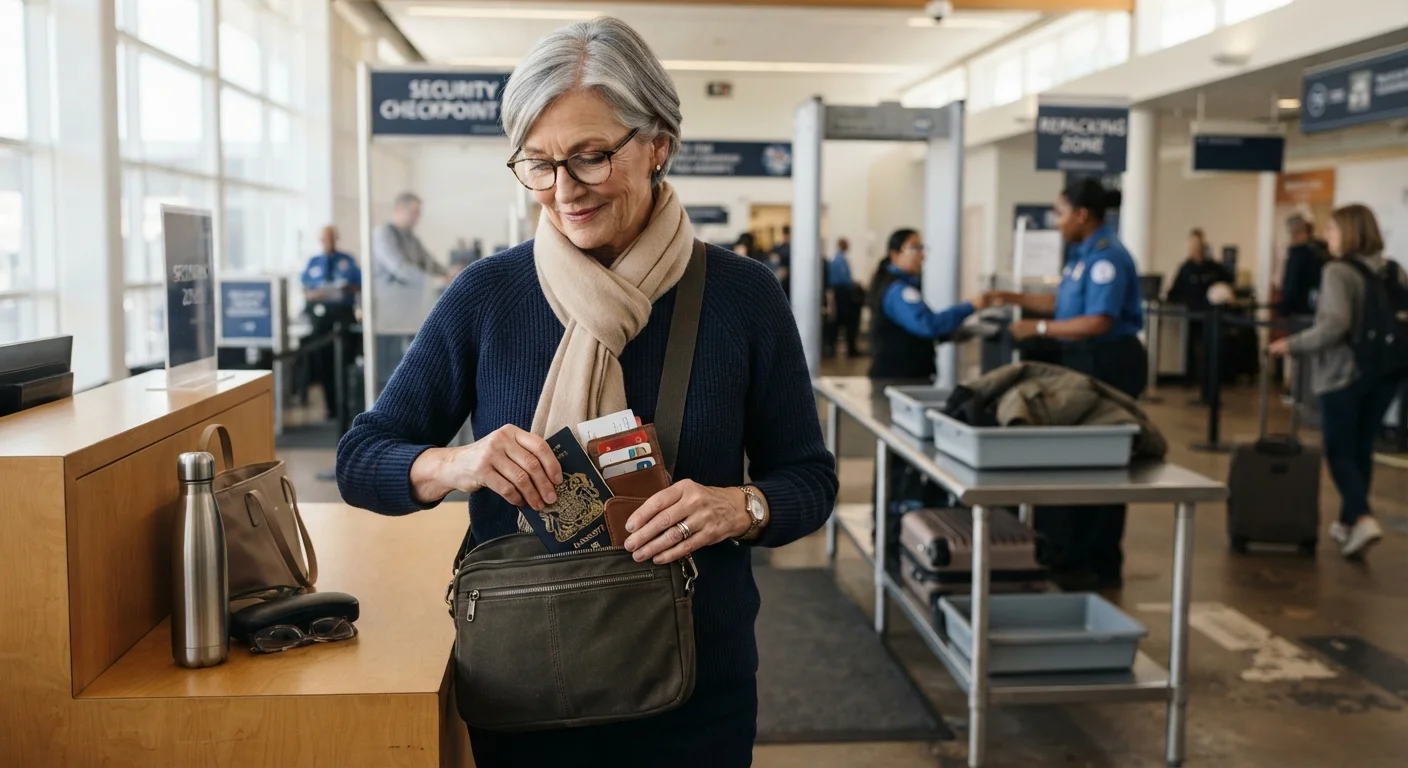
Key Takeaways
- Carry only the documents you need each day; secure the rest in your hotel safe.
- Store digital and physical copies of key documents separately from the originals.
- A dedicated travel wallet or RFID-blocking pouch reduces common theft risks significantly.
- Notify your bank before departure to prevent card blocks while traveling abroad.
- Write down emergency contact numbers and keep them separate from your phone.
What you will need
Why Document Security Matters More as We Age
Losing a passport or having cards stolen disrupts any traveler's trip — but for older adults, the stress of resolving such problems in an unfamiliar place can feel especially overwhelming. Cognitive load, mobility limitations, or unfamiliarity with local systems can make even straightforward steps (such as locating an embassy) feel daunting. That's why building simple, repeatable security habits before and during travel pays off far more than relying on memory or luck in a crisis.
Seniors are also sometimes targeted by opportunistic theft in tourist-heavy areas, not because of personal vulnerability but simply because they are visibly engaged with maps, guides, or unfamiliar public transit. A few proactive habits close most of these gaps before they become problems.
Before you focus on documents and valuables, make sure the broader trip preparation is covered. Our Trip Prep Basics hub walks through everything from home security to health readiness, and our companion piece on home security before any trip covers what to handle before you even leave the driveway.
What you will need
What You'll Need
RFID-blocking travel wallet or pouch
Shields credit cards and passports from electronic skimming in crowded public spaces.
Hotel room safe
Secures your passport, spare cash, and backup cards when you are out sightseeing.
Crossbody or anti-theft bag
Keeps your daily essentials close and harder for pickpockets to access than a backpack.
Small combination lock
Adds a secondary layer of security to zipped luggage or lockers at transit hubs.
Waterproof document sleeve
Protects passports and paper copies from rain, spills, and humidity in tropical or coastal destinations.
Email Copies to Yourself Before You Leave
Before departure, scan or photograph your passport photo page, travel insurance card, prescription list, and any visas. Email them to yourself and a trusted family member. This gives you fast access from any device if originals are lost, and supports any insurance or consular process that follows. For a fuller comparison of digital versus physical backup options, see Digital Copies vs. Physical Document Backups While Traveling.
Step-by-Step: Protecting Your Belongings and Documents
Prepare your document backups before leaving home
Make two complete sets of copies of your passport photo page, driver's license, travel insurance card, visas, and any medical cards. Keep one physical set in your checked luggage (separate from your carry-on), and leave one set with a trusted person at home. Also photograph these documents and store the images in a password-protected email or cloud folder you can access from any device.
For detailed guidance on which documents to carry versus store securely, see Passport and Identification Documents: A Senior's Reference Guide.
Notify your bank and set up card alerts
Call or message each bank and credit card provider at least a week before departure. Let them know your destination countries and travel dates so they don't flag legitimate purchases as fraud and freeze your card abroad. Ask about international transaction fees while you have them on the line.
Enable text or email alerts for every transaction over a small threshold — even $1. This lets you spot an unauthorized charge within minutes rather than at month's end.
Pack your daily carry strategically
Each morning, decide which documents and cards you actually need for that day's activities. Leave your passport in the hotel safe unless you genuinely need it — a printed copy is enough for most daily excursions. Carry only one credit card and a modest amount of local cash in your RFID-blocking wallet.
Use a crossbody or anti-theft bag worn in front of your body in busy areas such as markets, transit stations, and tourist attractions. Avoid placing anything in back pockets or the outer pockets of a backpack.
Use your hotel safe correctly
When you check in, locate the in-room safe and test it before storing anything. Set your own PIN rather than using a default code. Store your passport, spare credit card, any medication that is difficult to replace, and extra cash you won't need that day.
If your room lacks a safe, ask the front desk about the hotel's secure storage option. Pair this habit with others from our guide on staying safe in an unfamiliar hotel.
Keep an emergency information card on your person
Write or print a small card listing: your full name, emergency contact name and phone number, travel insurance policy number and 24-hour helpline, any critical medical conditions or allergies, and the address of your nearest U.S. embassy or consulate. Laminate it if possible, and keep it in a pocket separate from your wallet.
This card can be lifesaving if you experience a medical event and cannot communicate clearly, or if your phone is unavailable. For more on building a solid documentation habit that also protects insurance claims, see Keeping Records While You Travel.
Report Loss or Theft Immediately
If your passport or cards are lost or stolen abroad, report it to local police and your nearest U.S. embassy or consulate as soon as possible. Contact your bank to freeze affected cards right away. Delaying a report can complicate both document replacement and any travel insurance claim you may need to file.
Avoid Carrying Everything at Once
Keeping your passport, all credit cards, cash, and phone in the same bag or pocket creates a single point of failure. If that item is lost or stolen, you lose everything at once. Distribute essentials across two separate locations — such as a front pocket and a secure bag — so that losing one does not leave you without any resources.
Additional Habits That Reduce Risk
Beyond the core steps above, a few extra practices can further reduce your exposure while traveling.
- Be discreet with electronics. Avoid displaying expensive phones, tablets, or cameras openly in crowded areas. Place them in your bag between uses.
- Use ATMs inside banks or hotels. These are generally monitored and less likely to have been tampered with than standalone street machines.
- Stay alert after dark. Even in relatively safe destinations, limit solo walking in unfamiliar neighborhoods after dark and keep your phone charged for navigation and communication.
- Check in with someone at home regularly. A quick daily message lets a trusted contact know you're safe and gives you a connection point if something does go wrong.
If you're traveling by cruise ship, some of these habits overlap with packing decisions you'll also want to make ahead of time — see Packing for Comfort: What Senior Cruisers Should Never Leave Behind for a checklist tailored to shipboard travel.
For a broader look at the less-obvious risks that international travelers sometimes overlook, Hidden Risks Seniors Often Overlook When Planning International Trips is worth reading before you depart.
This article is for general informational purposes only and does not constitute legal, financial, or insurance advice. Coverage terms, embassy procedures, and local laws vary by destination and individual circumstance. Always verify entry requirements and safety conditions through official government sources before traveling.