

Key Takeaways
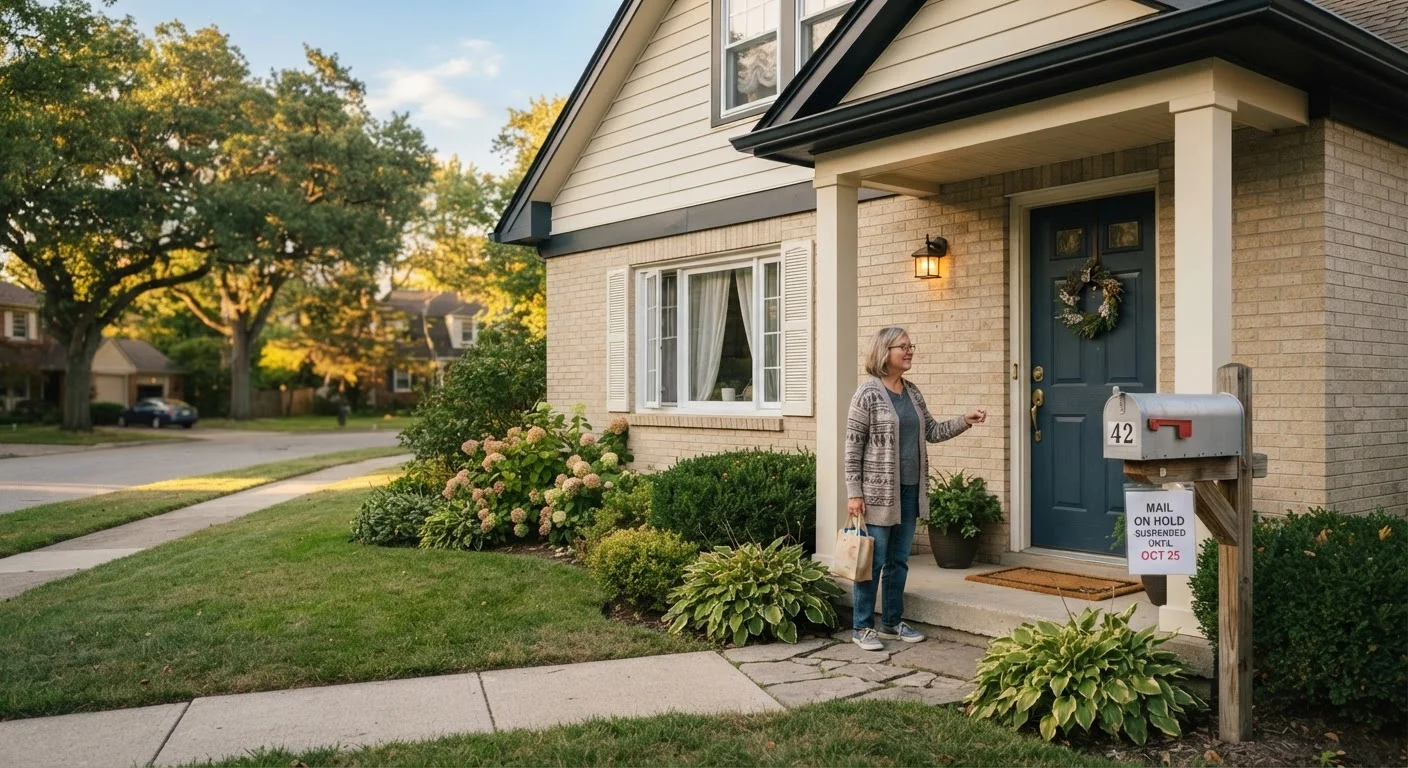
- Place a mail hold and pause recurring deliveries before you leave to avoid obvious vacancy signals.
- Unplug non-essential appliances and set thermostats to energy-saving levels to reduce risk and waste.
- Give a trusted neighbor or friend a key, your itinerary, and emergency contact information.
- Secure important documents and notify your bank of your travel dates before departing.
- A quick walk-through the morning of departure catches most last-minute oversights.
Summary
22 items · 1–2 hours over the days before departure
Why Home Prep Belongs on Every Pre-Trip To-Do List
Packing, booking hotels, and arranging transportation rightly get most of the pre-trip attention — but leaving a well-secured home behind is just as important. An unattended house can attract opportunistic theft, suffer minor damage from an unchecked appliance issue, or create anxiety that colors your entire vacation.
The good news: most home preparation tasks are straightforward and take only an hour or two spread across the days before you leave. Working through a structured checklist means nothing gets forgotten in the rush. For a broader look at everything seniors should prepare before departure, see our Senior Traveler's Pre-Trip Checklist.
Mail and Deliveries
Home Security
Appliances and Utilities
Emergency Contacts and Trusted Helpers
Financial and Document Security
Tools and Resources That Make Preparation Easier
You don't need special equipment to secure your home — most items are things you likely already own or can arrange with a quick phone call or online request. The tools below cover the most common preparation needs.
USPS Mail Hold Service
Pauses mail delivery for up to 30 days so envelopes and packages don't pile up and signal an empty home.
Light timer or smart plug
Automates interior lighting schedules to make the home appear occupied after dark.
Main water shut-off valve wrench
Allows you to close the home's water supply quickly and prevent flooding from a burst pipe while away.
Home security system or doorbell camera
Monitors entry points and alerts you or a monitoring center to unusual activity while you travel.
Printed contact sheet
Leaves your trusted neighbor with your itinerary, phone number, and local emergency service contacts in one easy-to-find document.
Before You Walk Out the Door
The morning of departure is not the time to start your checklist — but it is the right moment for a final walk-through. Move room to room and confirm lights are off, windows are latched, taps are closed, and the stove is cold. Check that your trusted contact has your full itinerary and a working key.
Don't Announce Your Trip on Social Media
Posting travel plans or vacation photos publicly before or during your trip can inadvertently signal to strangers that your home is unoccupied. Consider sharing travel memories after you return, or limit posts to close friends and family using privacy settings. This simple habit meaningfully reduces the risk of opportunistic break-ins.
If you have a home security system, confirm it is armed and that the monitoring company has updated emergency contact information. Consider setting at least one interior light on a timer so the home does not look obviously empty after dark.
For guidance on staying safe once you arrive at your destination, our Pre-Trip Safety Checklist and Senior Travel Safety Planning Framework are useful companions to this guide. You may also find our full timeline-based preparation guide helpful for organizing tasks from weeks out through departure morning.
This article provides general home preparation guidance for informational purposes only. Security measures and local services vary; verify options with relevant providers before your trip.