

Key Takeaways
- Smaller ships offer quieter, more personal experiences with easier navigation for seniors with mobility needs.
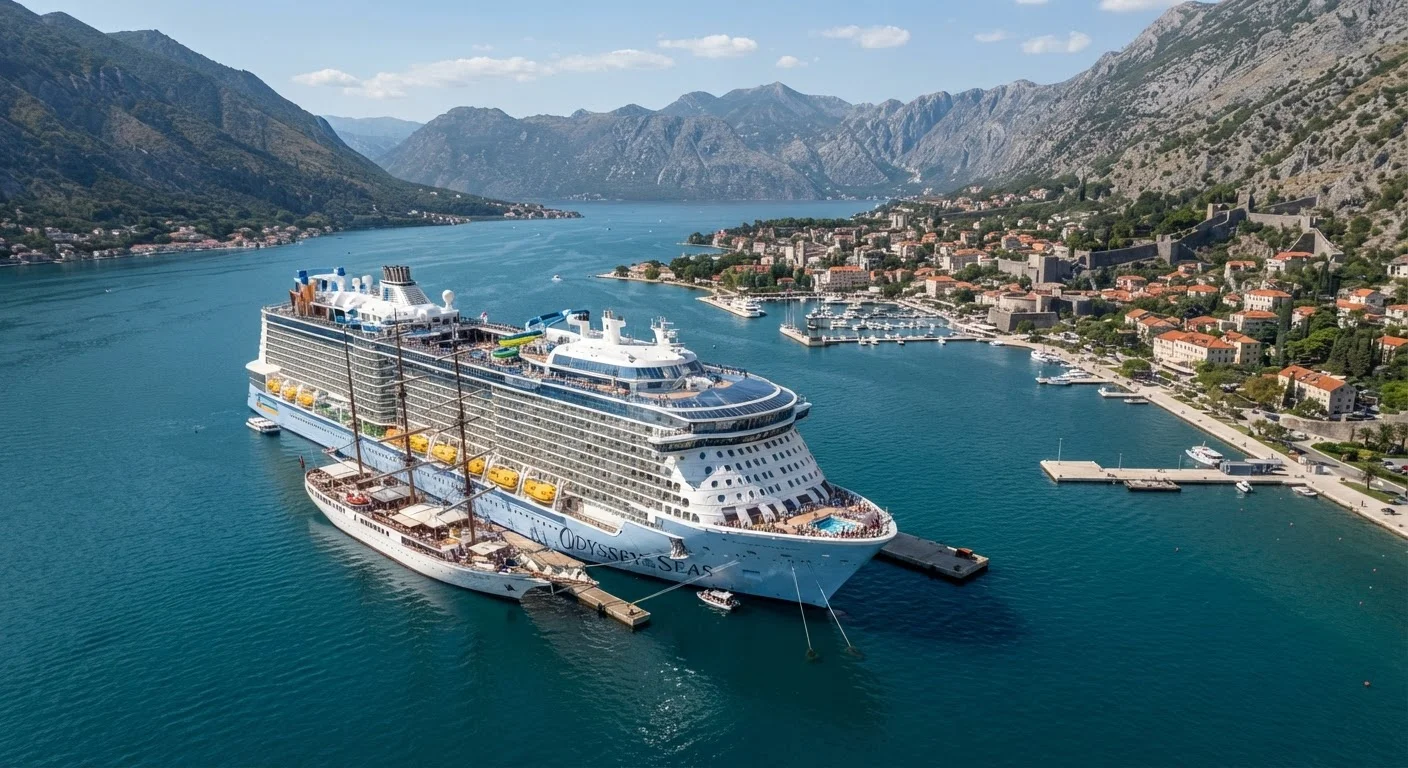
- Mega-ships provide more onboard amenities but can involve long walking distances and larger crowds.
- Mid-size ships often strike the best balance between variety and manageable scale.
- Ship size affects port access — smaller vessels can dock closer to town centers, reducing transfer distances.
- Matching ship size to your energy level and mobility is as important as matching it to your itinerary.
Cruise Ship Size Categories
Cruise ships are broadly grouped by their passenger capacity: small ships carry fewer than 500 guests, mid-size ships typically accommodate 500–2,000, and large or mega-ships carry 2,000 or more. Each size class creates a noticeably different onboard environment, from how crowded the corridors feel to how many dining and activity options are available. For senior travelers, these differences directly affect comfort, accessibility, and the overall pace of a voyage.
Gross tonnage (GT) is the official industry measure of a ship's internal volume, but passenger capacity is generally the more practical metric when evaluating daily experience and crowd levels.
Why Ship Size Is a Practical Decision, Not Just a Preference
When seniors picture a cruise, the destination often takes center stage. But the size of the ship you sail on shapes your daily experience far more than most people anticipate before they book. How far you walk to reach dinner, how long you wait to disembark at a port, how peaceful or buzzing the pool deck feels — all of this flows directly from the vessel's scale.
Ship size is not about prestige or budget. It's a practical variable that either supports or works against your comfort, energy level, and mobility needs. Understanding the three broad categories — small, mid-size, and large — gives you a reliable framework for narrowing your options. See our complete guide to choosing a cruise for a broader look at how size fits into your overall decision.
Accessibility Standards Vary by Ship and Line
Accessible cabin categories, elevator coverage, and onboard mobility aid policies differ considerably between cruise lines and individual ships — even within the same size category. Always request specific written details about accessibility features directly from the cruise line before finalizing your booking. General descriptions on booking sites may not reflect the full picture.
Small Ships: Intimacy, Access, and Simpler Navigation
Small ships — those carrying fewer than roughly 500 passengers — offer a fundamentally different rhythm. Corridors are short, the dining room is a single venue, and you'll likely recognize fellow passengers by the second day. For seniors who find large, bustling environments tiring, this scale is genuinely restful.
There's also a practical port advantage. Small ships can berth directly at smaller harbors that larger vessels cannot enter, meaning less time on tender boats (small crafts that ferry passengers from ship to shore) and shorter walks to reach a town center. This is particularly relevant if you're weighing shore excursions vs. ship-stay days and want to keep transitions manageable.
The trade-off is fewer amenities. A small ship may offer one restaurant, limited entertainment, and a smaller medical facility. For travelers prioritizing scenery and social ease over variety, this is often an acceptable exchange.
Review the Deck Plan Before You Book
Most cruise lines publish detailed deck plans on their websites showing cabin locations relative to dining rooms, elevators, and medical facilities. Before committing to a booking, check how far your cabin category sits from the amenities you'll use daily. A mid-ship cabin near an elevator bank can make a significant difference in comfort on any size vessel.
Mid-Size and Large Ships: Variety, Stability, and Scale
Mid-size ships — roughly 500 to 2,000 passengers — are often considered the sweet spot for senior travelers who want meaningful onboard choice without the overwhelming scale of a mega-ship. Multiple dining venues, a well-equipped fitness center, and a range of accessible cabin categories are common at this size. Crowds are manageable, and finding your way around the ship rarely takes more than a day or two.
Large and mega-ships (2,000 passengers and beyond) offer extraordinary variety: multiple pools, specialty restaurants, Broadway-style shows, and extensive spa facilities. For active seniors who want to treat the ship itself as the destination, this abundance is genuinely appealing. The challenge is physical scale — walking from a cabin at one end of a 1,000-foot ship to the dining room at the other can cover a quarter-mile or more.
~1,100 ft
Length of some of the largest cruise ships afloat
The largest cruise vessels in service today exceed 1,100 feet in length — comparable to more than three football fields end to end.
Under 500
Passenger count on small expedition-style ships
Small and expedition ships typically carry fewer than 500 guests, creating a more personalized onboard environment with shorter walking distances throughout.
30–40%
Share of cruise passengers aged 60 and over
Industry surveys consistently show that seniors make up a substantial portion of cruise travelers, reflecting the strong appeal of ship-based travel for older adults.
For a side-by-side look at how vessel scale compares across different cruising styles, our article on ocean liner vs. river cruise walks through the key practical differences.
Matching Ship Size to Your Specific Needs
The right ship size is the one that fits your mobility, energy, and travel goals — not the one that looks most impressive in a brochure. A few questions worth asking before you book:
- How far am I comfortable walking in a day without fatigue?
- Do I need specific accessibility features — wider cabin doors, roll-in showers, elevator access to all decks?
- Do I want a lively, activity-packed environment, or a quieter, more restorative pace?
- How important is port proximity, and how do I feel about tendering to shore?
Seniors who overlook these questions sometimes find themselves on the wrong ship for their needs. Our article on common cruise booking regrets covers how this mismatch plays out — and how to avoid it.
If you're also exploring river cruising as an alternative, our comparison of river cruise vs. ocean cruise for older travelers addresses how intimate vessel scale and calm inland waters appeal to many seniors.
This article is for general informational purposes only. Seniors with specific health or mobility concerns should consult a qualified healthcare provider before planning travel.