

Key Takeaways
- Baggage delay coverage typically kicks in after your bags are missing for 12 to 24 hours, depending on the policy.
- Lost baggage reimbursement is usually capped at a total policy limit, with lower sub-limits for individual valuables.
- Airlines carry their own liability for lost bags, but travel insurance can cover the gap above that amount.
- Documentation — including receipts, carrier reports, and claim forms — is essential to receive reimbursement.
- Mobility aids and medical equipment may not be fully covered under standard baggage provisions; verify this before travel.
- Coverage terms, limits, and exclusions differ significantly between policies, so reading the policy document matters.
Baggage Loss and Delay Coverage
Baggage loss and delay coverage is a component of many travel insurance policies that reimburses you for the financial impact of lost, stolen, damaged, or significantly delayed luggage. If your bags don't arrive when you do, this coverage can help pay for essential replacement items like clothing and toiletries while you wait. If your bags are permanently lost or badly damaged, it can help offset the cost of the belongings inside.
Policies typically split this into two sub-benefits: 'baggage loss/damage' (permanent loss or destruction) and 'baggage delay' (temporary unavailability, usually triggered after a defined waiting period such as 12 or 24 hours). Limits and per-item sub-limits vary widely between policies.
The Two Sides of Baggage Coverage
Baggage coverage in travel insurance generally operates as two distinct protections bundled together, and understanding the difference helps you know what to expect when something goes wrong.
Baggage delay applies when your checked luggage doesn't arrive on time — your bags are somewhere in the airline's system, but not with you. Most policies begin coverage after a defined waiting period (commonly 12 to 24 hours), and they reimburse reasonable expenses you incur in the meantime: basic clothing, toiletries, and other necessary items. Reimbursement is usually capped at a relatively modest daily or total limit.
Baggage loss and damage applies when your luggage is permanently lost, stolen, or arrives in a condition that renders your belongings unusable. This benefit reimburses you for the depreciated or replacement value of your possessions, subject to the policy's overall limit and any per-item sub-limits.
For a broader look at how these coverage types fit into a complete policy, see the overview of senior travel insurance coverage types.
Airline Liability vs. Insurance Coverage
Airlines are required by law to accept some liability for lost or damaged checked baggage, but their limits may not cover the full value of your belongings. Travel insurance baggage coverage is designed to work alongside — not instead of — that airline liability. Understanding how these two layers interact is key to knowing what you'll actually recover in a claim.
What Is and Isn't Typically Covered
Most baggage provisions cover loss, theft, and accidental damage caused by carriers (airlines, cruise lines, bus companies) or theft during your trip. However, several important exclusions apply across most policies:
- Valuables sub-limits: Jewelry, cameras, laptops, and similar items almost always carry lower per-item caps, often $250–$500, even when the total policy limit is much higher.
- Unattended luggage: If bags are left in an unsecured location and go missing, many insurers will deny the claim on the grounds of negligence.
- Sporting or specialty equipment: Bicycles, golf clubs, and similar items may be excluded or require an add-on rider.
- Consumables and perishables: Food, medicine, or other perishable goods generally aren't covered.
- Pre-existing damage: Wear and tear or items already broken before the trip are excluded.
Seniors who travel with mobility aids should pay particular attention. Standard baggage language may not adequately cover wheelchairs, walkers, or powered scooters. Our article on travel insurance and mobility equipment coverage gaps explains what to watch for.
Photograph Your Luggage Contents Before You Pack
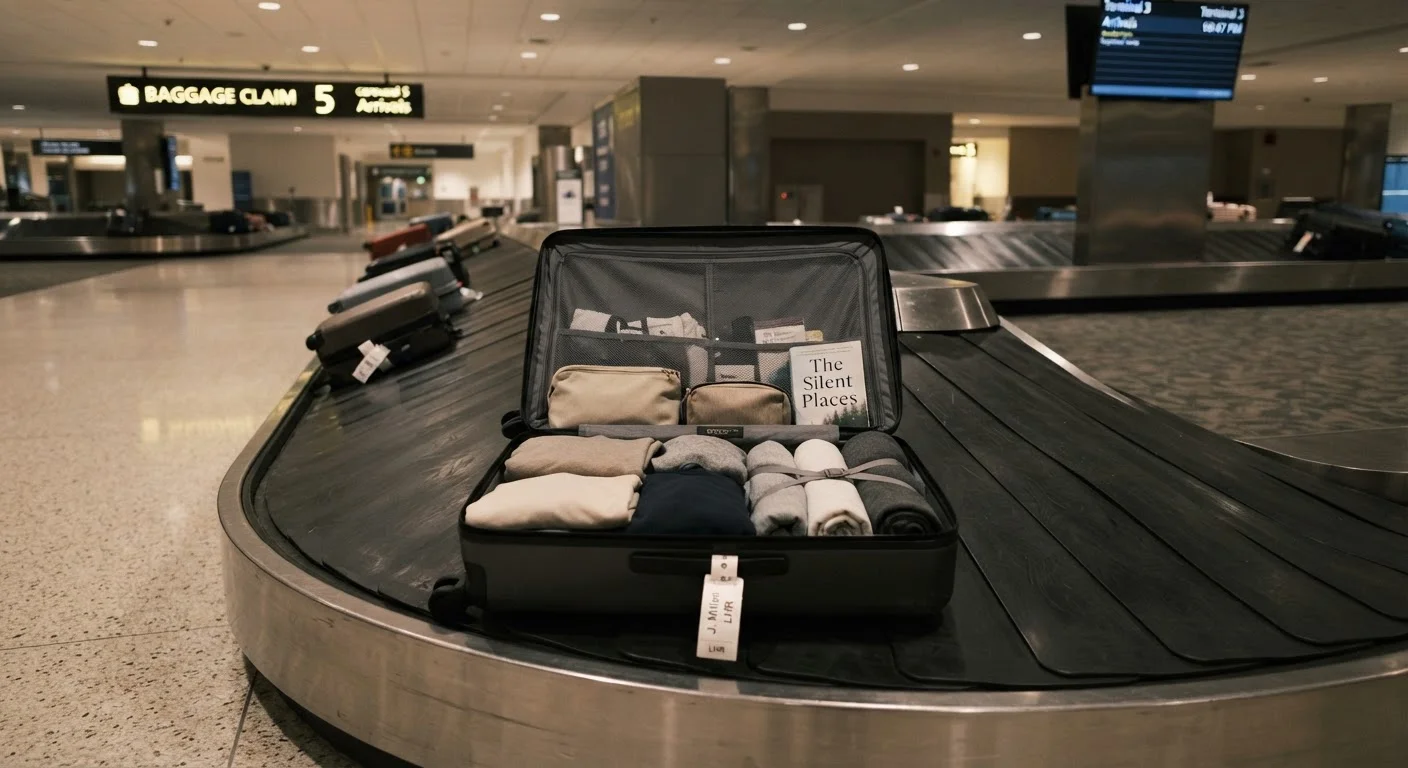
Taking a quick photo of your suitcase's contents — including labels and any high-value items — before you close it gives you clear documentation if you ever need to file a loss claim. Store these photos in a cloud account so they're accessible even if your phone is lost. It takes two minutes and can make a meaningful difference when supporting a claim.
How the Claims Process Works
Filing a baggage claim requires prompt action and solid documentation. If your bags don't arrive, report it to the airline immediately and obtain a Property Irregularity Report (PIR) — this is the formal record that your insurer will require. For stolen items, a police report or written statement from hotel management is typically needed.
Once home, you'll submit a claim form to your insurer along with:
- The PIR or theft report
- Purchase receipts or photographs proving ownership and value of claimed items
- Documentation of any reimbursement already received from the airline
- Receipts for any emergency purchases made during a delay
Keep in mind that travel insurance baggage coverage is usually secondary to airline liability. Airlines operating in the U.S. carry defined liability limits for checked baggage; your travel policy generally covers the gap, not a duplicate payment. For a detailed walkthrough of what happens after you submit, see what actually happens after you file a travel insurance claim.
~1.5%
Rate of mishandled bags among checked bags globally
According to the SITA Baggage IT Insights report, roughly 1 in 67 bags is mishandled globally, though rates have improved significantly with tracking technology.
$3,800
U.S. airline domestic checked-bag liability limit
Under U.S. Department of Transportation rules, airlines are liable for up to approximately $3,800 per passenger for domestic itineraries; travel insurance can help cover losses above this threshold.
Making Sure Your Coverage Is Right for You
No two policies are identical. Limits can range from a few hundred dollars to several thousand, and the difference in what's covered — and what's excluded — can be significant. Before you purchase a policy, consider these practical steps:
- List your most valuable packed items and compare their value against the policy's per-item sub-limits.
- Ask specifically about mobility aids if you travel with any assistive equipment.
- Review the delay waiting period — if you have a tight connecting itinerary, a 24-hour delay trigger may offer less practical help than a 12-hour one.
- Understand the secondary-coverage rule — if your airline's liability and homeowner's or renter's insurance already cover some baggage loss, travel insurance fills the remaining gap.
Baggage coverage is just one piece of the picture. Separately, travel delay coverage addresses costs like meals and accommodation when your flight itself is held up — a different but related concern worth understanding together.
Because policy language varies considerably between providers, always read the actual policy document before purchasing, and consult a licensed insurance agent if you have questions about what a specific policy covers in your situation.
This article provides general information about travel insurance coverage for educational purposes only. It is not personalized insurance, financial, or legal advice. Coverage terms, exclusions, and limits vary by provider and policy. Always read your policy documents carefully and speak with a licensed insurance professional for guidance specific to your circumstances.