

Key Takeaways
- The Canary Islands maintain comfortable temperatures in every month, making off-season visits genuinely worthwhile.
- Each island has a distinct character — Gran Canaria suits those wanting urban amenities; Lanzarote offers flat terrain that is easier to navigate.
- Healthcare infrastructure is well-developed across the main islands, a meaningful consideration for senior travelers.
- Direct flights from many US and European hub cities reduce travel fatigue significantly.
- Crowds and accommodation costs are lower from May through June and September through October — a practical window for seniors seeking a quieter pace.
- Travel insurance covering pre-existing conditions is especially important for international senior travel; verify coverage before departure.
Canary Islands Year-Round Climate
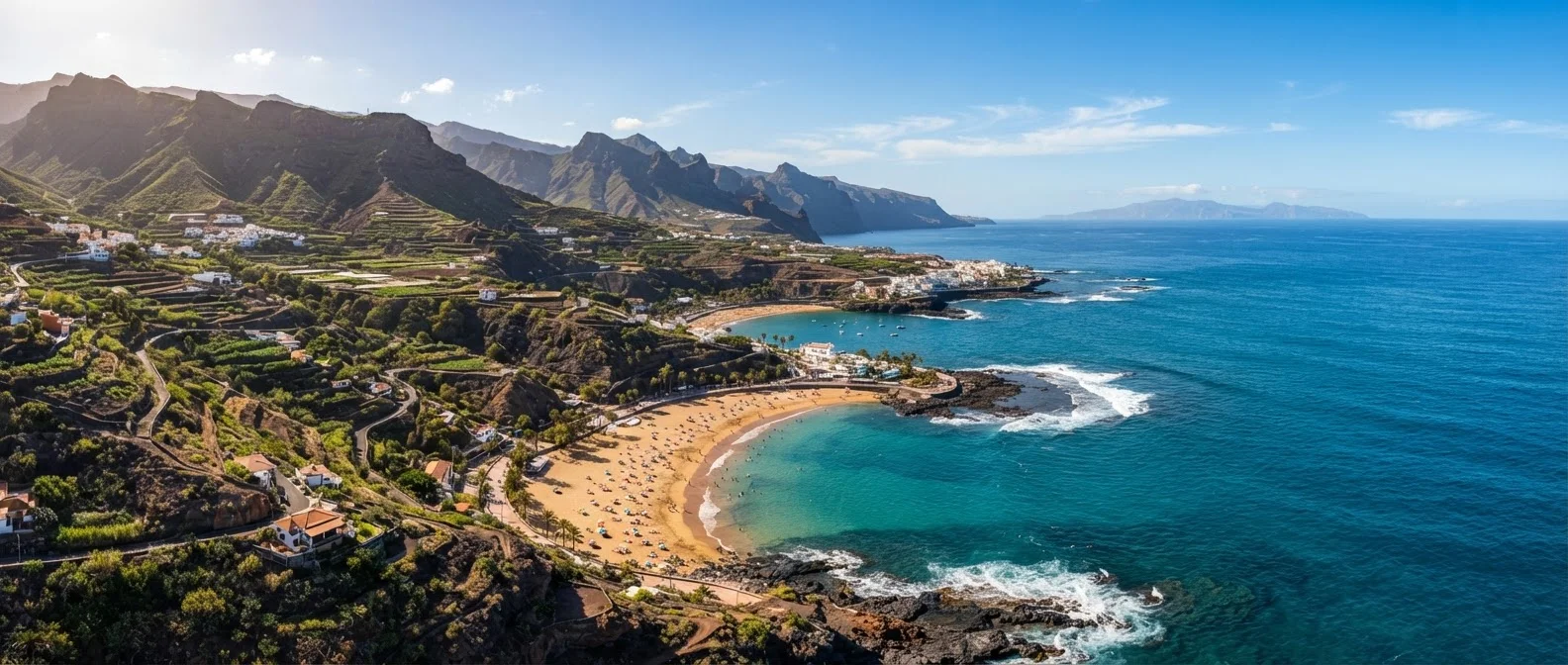
The Canary Islands are a Spanish archipelago off the northwest coast of Africa. Their location near the Tropic of Cancer and the influence of the Atlantic trade winds create a stable, mild climate with average temperatures rarely falling below 64°F (18°C) or exceeding 86°F (30°C). This consistency makes them one of Europe's few genuinely year-round warm destinations — not just a summer escape.
The islands sit at roughly 28° North latitude, placing them outside typical European seasonal extremes. Each island has its own microclimate: northern and elevated areas tend to be cooler and cloudier, while southern coastal zones receive the most reliable sunshine.
Why the Canary Islands Work in Every Season
Most warm-weather destinations have a clear "best" season — and a season to avoid. The Canary Islands are a notable exception. Average daytime temperatures in Las Palmas de Gran Canaria, for example, range from around 68°F (20°C) in January to approximately 81°F (27°C) in August. That relatively narrow band means seniors aren't risking extreme heat in summer or cold snaps in winter.
The trade winds that cross the Atlantic act as a natural air conditioning system, keeping humidity comfortable and preventing the stifling heat common in other subtropical zones. For seniors who are sensitive to weather extremes — or who find planning around unpredictable forecasts stressful — this reliability is a genuine practical advantage. Learn more about why mild climates suit senior travelers in our companion article.
Winter months (November through March) attract the largest share of European visitors seeking refuge from colder climates. If you prefer quieter beaches and a more relaxed pace, the shoulder months of May–June and September–October typically offer warmth, reduced crowds, and more breathing room at popular sites.
~300
Average sunny days per year in southern Tenerife
According to data from Spain's State Meteorological Agency (AEMET), the southern coast of Tenerife receives among the highest sunshine hours of any European destination.
64°F–81°F
Year-round temperature range across the main islands
Average monthly daytime temperatures across the main Canary Islands rarely fall below 64°F (18°C) in winter or exceed 86°F (30°C) in peak summer, based on historical meteorological data.
7
Main islands to choose from
The Canary Islands archipelago comprises seven inhabited main islands, each with distinct terrain, infrastructure, and visitor character, giving travelers meaningful choice.
Choosing the Right Island for Your Needs
The archipelago includes seven main islands, each with a different character. Selecting the right one depends on your priorities — walkability, medical access, nightlife proximity, or natural scenery.
- Gran Canaria: The most urban option, with Las Palmas offering a full city infrastructure including hospitals, pharmacies, and public transit. The southern resort strip (Maspalomas and Playa del Inglés) is built for tourism, with accessible beaches and level promenades.
- Tenerife: The largest island, with the widest range of terrain — from the dramatic volcanic landscape around Mount Teide to the flat, sunny south coast. The southern resorts (Los Cristianos, Costa Adeje) are popular with seniors for their calm seas, gentle walkways, and medical facilities nearby.
- Lanzarote: Flat volcanic terrain and a quieter atmosphere make this island particularly manageable for those with limited mobility. The UNESCO Biosphere Reserve designation means development is controlled, contributing to a less congested feel.
- Fuerteventura: Known for its long, wind-swept beaches. The flat central plains mean less climbing, though beach access points can vary in accessibility.
For seniors weighing island variety against the comfort of settling in one place, our guide on island hopping versus a single destination lays out both approaches clearly.
Health, Safety, and Practical Considerations
Healthcare infrastructure across the main islands is well-established. Tenerife and Gran Canaria have large general hospitals, and private clinics with English-speaking staff are common in resort areas. That said, medical care abroad is rarely straightforward without proper preparation.
Seniors should carry a clear summary of their medical history and current medications (using generic drug names, which are more universally recognized), and ensure travel insurance covers emergency medical treatment, hospitalization, and — crucially — medical evacuation if needed. Policies vary significantly in what they cover for pre-existing conditions; reviewing the policy wording carefully before purchase is essential. For broader guidance on staying well in warm climates, see our article on staying safe and healthy in warm climates.
Prepare Your Medication Documentation
When traveling internationally, carry a written list of all medications using their generic (non-brand) names, along with dosages and the conditions they treat. Keep medications in their original labeled packaging and carry quantities in your carry-on luggage rather than checked bags. Consult your physician before travel to ensure adequate supply and discuss any health considerations relevant to your destination.
Sun exposure deserves specific attention. Even in mild temperatures, UV levels can be higher than expected at these latitudes. Wide-brimmed hats, high-SPF sunscreen, and staying shaded during midday hours are sensible habits regardless of season.
Entry requirements, health documentation rules, and travel advisories can change. Always verify current requirements through official US government travel resources and Spain's official immigration channels before finalizing plans.
This article is for general informational purposes only and does not constitute medical, legal, or travel advice. Consult qualified professionals for guidance specific to your health and circumstances.