

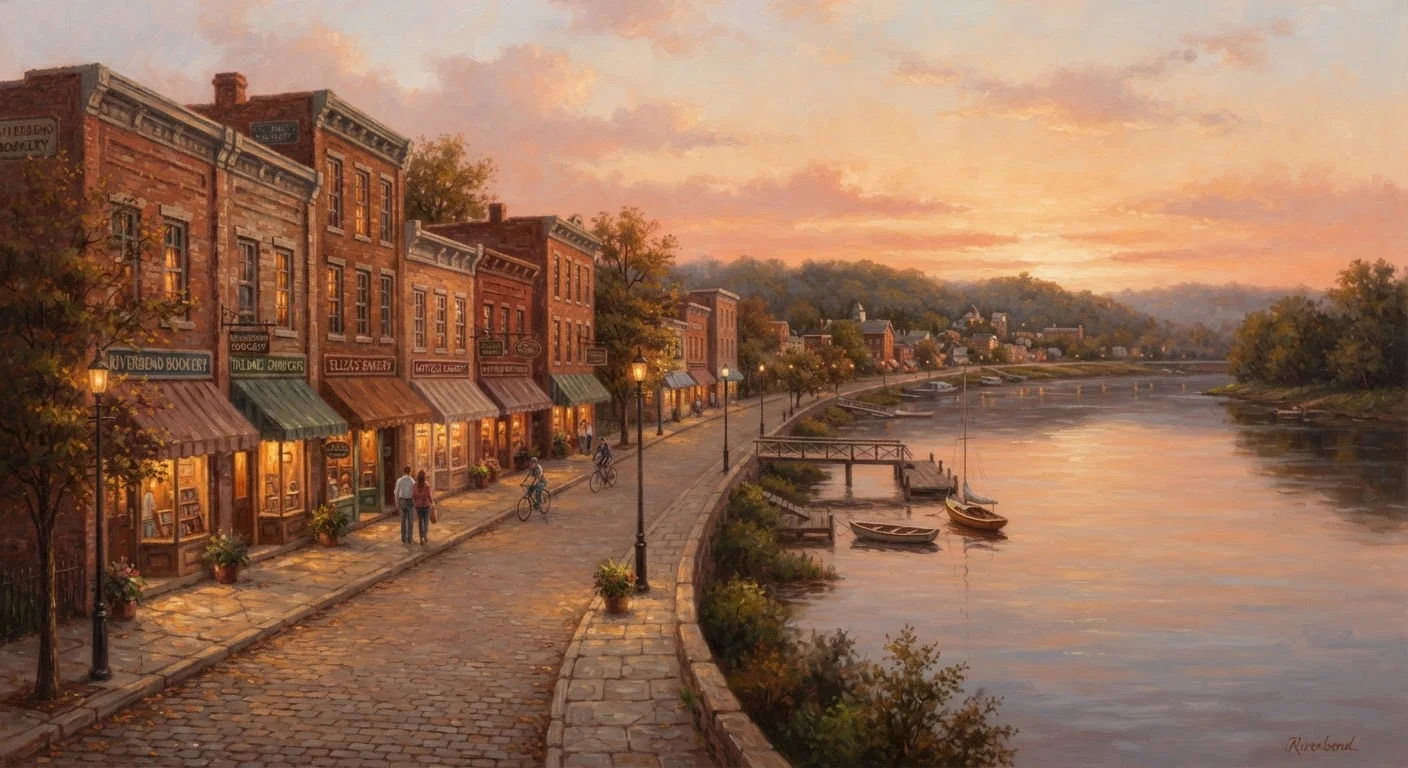
Key Takeaways
- Smaller river towns typically offer flat, walkable historic districts well-suited to older travelers.
- Many of these communities have rich history, local museums, and cultural events requiring little physical exertion.
- Mild climates and uncrowded settings make river towns a comfortable alternative to major tourist destinations.
- Accessible lodging, local dining, and easy transportation options are common in these communities.
- Slower-paced itineraries reduce travel fatigue and allow time to genuinely absorb each destination.
Why River Towns Suit a Slower Travel Style
For senior travelers who prefer depth over distance, America's river towns offer something the major urban destinations rarely can: genuine unhurriedness. These smaller communities evolved alongside their waterways, and that history is still visible in their architecture, food traditions, and local rhythms. Streets tend to be flat and compact, museums are manageable in scale, and the absence of large tourist crowds means you can move through a place at whatever pace suits you.
River towns also tend to be well-connected to scenic byways and quieter highways, making them natural stops for travelers who enjoy driving through the landscape rather than rushing past it. If you enjoy exploring by road, our piece on America's most scenic RV routes covers unhurried routes that pass through several of these regions. Alternatively, those who prefer the water itself may find our comparison of river cruises versus ocean cruises a useful companion read.
Accessibility Varies by Season and Site
While many river town historic districts are flat and walkable, conditions can change with season, weather, or ongoing preservation work. Some sites may have uneven cobblestone surfaces or limited elevator access in older buildings. Before visiting any specific attraction, contact local visitor centers or the site directly to confirm current accessibility provisions. Planning visits during shoulder seasons — spring and fall — often means milder temperatures and thinner crowds.
Six US River Towns Worth Your Time
Galena, Illinois
Tucked into the hilly bluffs above the Galena River in northwestern Illinois, Galena is one of the Midwest's best-preserved 19th-century towns. Its compact Main Street is lined with Federal and Italianate architecture largely unchanged since the Civil War era. The gentle grade of the central district is manageable for most walkers, and the town's historic sites — including sites connected to Ulysses S. Grant's pre-presidential years — are within easy walking distance of each other. Local shops, galleries, and restaurants cater to a relaxed visiting pace.
Galena's preserved 19th-century streetscape rewards leisurely exploration without demanding physical effort.
Natchez, Mississippi
Natchez sits high above the Mississippi River and holds one of the largest concentrations of antebellum plantation homes in the country. The historic downtown is flat and walkable, and guided tours of the surrounding estates are available at an unhurried tempo. The city's blufftop park offers sweeping river views with accessible paved paths. Natchez also benefits from a mild climate through much of the year, making shoulder-season visits particularly comfortable for older travelers.
Natchez pairs sweeping Mississippi River views with one of the South's most intact historic downtowns.
Stillwater, Minnesota
Often called the birthplace of Minnesota, Stillwater sits along the St. Croix River just east of the Twin Cities. Its downtown is built along a flat riverfront, with antique shops, bookstores, and bistros concentrated in a walkable corridor. A lift bridge connects the town to Wisconsin, and the riverbanks offer calm scenery without requiring long hikes. Stillwater is also well-served by regional transport links, making it an accessible addition to a broader Twin Cities itinerary.
Stillwater's flat, shop-lined riverfront makes it one of the Midwest's most effortlessly walkable river towns.
Harpers Ferry, West Virginia
At the confluence of the Shenandoah and Potomac rivers, Harpers Ferry carries enormous Civil War and industrial history within a compact lower town managed by the National Park Service. The lower historic district is accessible with minimal walking, and ranger-led programs provide rich context without requiring self-guided hiking. The surrounding mountains offer dramatic scenery visible from town. Visitors with mobility considerations should be aware that some upper areas involve steeper terrain, so planning around the lower district is advisable.
The lower historic district of Harpers Ferry delivers rich Civil War history in a manageable, park-managed setting.
New Harmony, Indiana
New Harmony, on the Wabash River near the Illinois border, is among the most unusual small towns in America — it was the site of two pioneering utopian communities in the early 19th century. Today, it functions as a living museum of that idealist history, with historic buildings, gardens, and a contemplative atmosphere that practically encourages slowing down. The community is small and entirely walkable, with few physical demands, and the peaceful setting along the river makes it especially well-suited to reflective, unhurried travel.
New Harmony's utopian heritage and tranquil riverside setting create an atmosphere genuinely conducive to slow travel.
Hannibal, Missouri
Mark Twain's boyhood home on the Mississippi River, Hannibal is a comfortable and well-organized destination for literary and historical travelers. The downtown district is flat and compact, with museums, period homes, and river overlooks all within easy reach. Riverboat excursions on the Mississippi — generally available seasonally — provide an accessible way to experience the river without extensive walking. Hannibal's infrastructure is oriented toward visitors, meaning amenities, restrooms, and seating areas are readily available throughout the historic center.
Hannibal's well-organized historic center and optional riverboat excursions make it an easy, rewarding stop for senior visitors.
Build in Rest Days Between Stops
Travel fatigue accumulates quickly when moving between multiple destinations, even at a relaxed pace. Consider scheduling a full rest day for every two or three days of active sightseeing. River towns, with their café culture and waterfront benches, are ideal places to simply sit and absorb a location — and that unhurried absorption is often what makes a trip memorable.
Planning Your Visit
When organizing a river town itinerary, consider spreading visits across two or three nights per location rather than rushing between destinations in a single day. This allows time to revisit a favorite café, take a morning walk along the waterfront, or simply rest without losing the sense of having truly experienced a place.
For travelers drawn to the broader Southern river corridor, our editorial comparison of Savannah, Charleston, and New Orleans addresses walkability, historic charm, and healthcare access in three beloved cities nearby. Those looking for quieter alternatives beyond well-known spots may also find value in our roundup of lesser-known warm-weather destinations that offer comfort with fewer crowds. Always verify current accessibility features, transportation options, and local conditions directly with accommodations and local visitor centers before finalizing travel plans.