

Key Takeaways
- Limiting daily drives to 2–3 hours reduces fatigue and makes the trip more enjoyable.
- Booking lodging well in advance is essential during peak foliage season in September and October.
- Accessible rest stops, flat walking paths, and elevator-equipped hotels are widely available across New England.
- A flexible itinerary with buffer days protects against weather changes and energy dips.
- Vermont, New Hampshire, and coastal Maine each offer distinct foliage experiences suited to different paces.
What you will need
Why New England in Fall Works Well for Senior Road Trippers
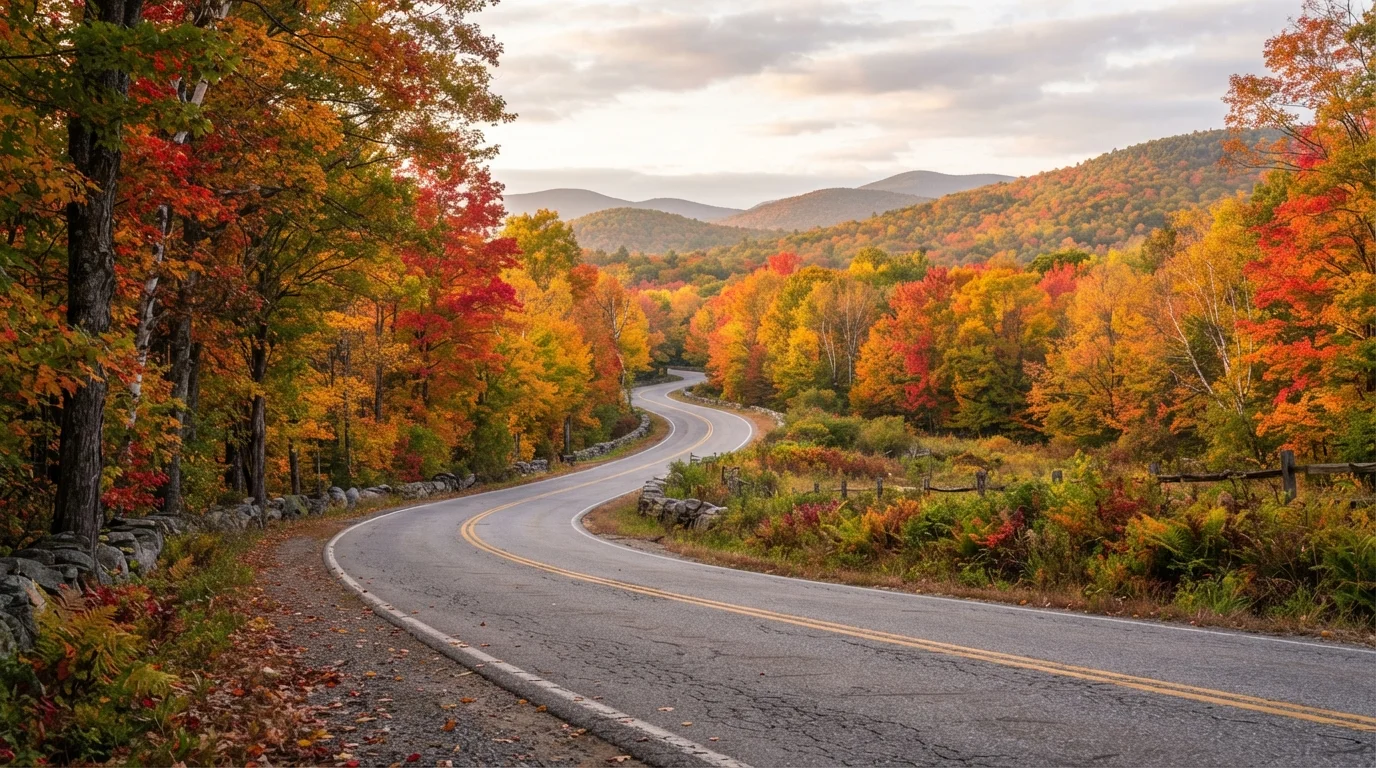
New England's autumn foliage season is one of the most celebrated travel experiences in the United States — and for good reason. Between mid-September and late October, the region's maples, birches, and oaks shift into brilliant shades of red, orange, and gold. For senior travelers, the fall season also offers practical advantages: cooler temperatures, thinner summer crowds, and a slower, more contemplative pace that suits a comfortable road trip.
The region's road network is well-maintained and largely predictable. Distances between charming towns are short, meaning you rarely need to drive more than an hour or two before reaching a welcoming stop. Accessibility infrastructure — including ADA-compliant rest areas, accessible lodging, and walkable town centers — is generally strong throughout the region, though it's always worth verifying specific accommodations before booking.
For a different seasonal perspective, planning a warm-weather getaway offers useful contrast when deciding on the right time of year for your travel style.
What you will need
Building a Comfortable Route and Daily Pace
The most common mistake on a New England fall road trip is trying to cover too much ground too quickly. Foliage peaks vary by elevation and latitude — northern Vermont and New Hampshire typically peak in early-to-mid October, while coastal areas and southern Connecticut tend to peak later in the month. Plan your route around this natural progression rather than trying to see everything at once.
Choose a Core Route and Anchor Towns
Rather than mapping every day in detail upfront, identify three or four anchor towns spaced no more than 80–100 miles apart. Classic senior-friendly anchors include Woodstock or Stowe in Vermont, Franconia or North Conway in New Hampshire, and Portland or Bar Harbor in Maine. These towns offer accessible sidewalks, varied dining, and strong lodging options.
Cap Daily Driving at Two to Three Hours
Plan each driving segment to take no more than two to three hours, including one or two brief stops. This typically means covering 80–120 miles per day depending on road type. Two-lane scenic byways are slower but far more rewarding than interstate driving — factor that into your timing.
Schedule a Full Rest Day Every Third Day
Build at least one full non-driving day into every three-day stretch. Use rest days to explore a single town at a leisurely pace — visiting a farmers market, taking a short accessible nature walk, or simply relaxing at your lodging. These days prevent cumulative fatigue and keep the trip enjoyable rather than exhausting.
Identify Accessible Rest Stops Along Your Route in Advance
Use state tourism websites and highway service plaza locators to map accessible rest stops before you depart. Maine, New Hampshire, and Vermont all maintain well-equipped interstate service plazas. When driving scenic byways, towns with public libraries, visitor centers, or state parks typically offer accessible restroom facilities.
Pack for Variable Fall Weather
New England fall weather can shift quickly — from 65°F sunny afternoons to near-freezing mornings within the same day, especially at elevation. Pack layers, a waterproof outer shell, and comfortable walking shoes with grip. Keep a small day bag in the car with essentials so you're ready for unplanned stops without unpacking luggage.
For seniors traveling by personal vehicle rather than RV, many of the same pacing principles apply. Our route planning strategies for senior RV trips translate directly to car travel — shorter daily drives, deliberate rest days, and pre-identified stopping points all reduce fatigue regardless of your vehicle.
Check Foliage Reports Before You Drive
New England states publish weekly foliage progress reports during the fall season through their official tourism offices. Checking these reports a few days before each driving segment helps you position yourself for peak color rather than chasing it after it has passed. Timing a visit to a higher-elevation area like Franconia Notch slightly earlier than a coastal destination can maximize what you see across the whole trip.
Lodging, Accessibility, and What to Confirm Before You Arrive
Fall foliage season is one of the busiest travel periods in New England. Popular inns, bed-and-breakfasts, and hotels in towns like Stowe (Vermont), North Conway (New Hampshire), and Kennebunkport (Maine) can book out weeks in advance. Reserve lodging early and confirm accessibility features directly with the property — specifically asking about elevator access, grab bars in bathrooms, step-free entrances, and parking proximity to the entrance.
Chain hotels along major routes such as I-89, I-93, and US Route 1 generally offer more consistent accessibility standards, while historic inns may have charm but fewer accommodations for mobility needs. A useful reference for balancing comfort and rest during multi-day trips is our complete guide to comfort and rest on extended trips.
Book Lodging Early — Peak Season Fills Fast
October weekends in popular foliage destinations often sell out weeks or even months in advance. If you plan to travel during the first two weekends of October in Vermont or New Hampshire, aim to have reservations secured at least six to eight weeks ahead. Waiting until a week before your trip significantly limits your options and may push you toward lodging that does not meet your accessibility needs.
Coastal Maine deserves special mention. If you plan to extend your route north, coastal Maine's accessibility and pace considerations provide an honest picture of what older travelers can expect — much of which applies equally in autumn.
This article provides general travel planning information. Accessibility features, road conditions, and lodging availability vary by location and season. Always verify details directly with service providers and consult your healthcare provider regarding any travel concerns specific to your health.