
Common Myths About Cruise Destinations That Lead Seniors to Book the Wrong Itinerary

Key Takeaways
- Caribbean ports vary widely in terrain, crowds, and accessibility — not all are easy for seniors to navigate.
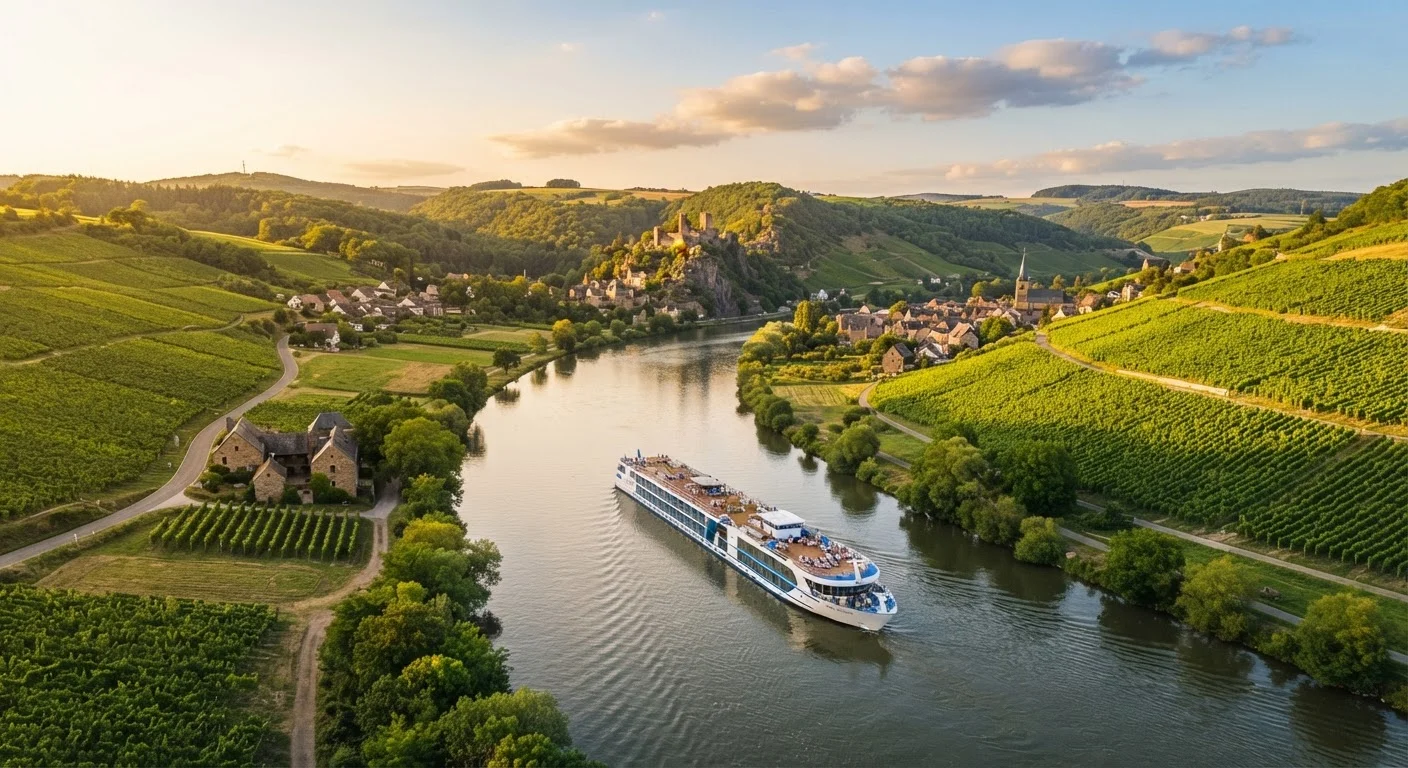
- River cruises offer rich cultural immersion and gentle pacing, making them highly suitable for older travelers.
- Alaska and the Mediterranean are cooler, slower-paced options that suit many seniors better than tropical itineraries.
- Port infrastructure differences — not just ship size — determine how physically demanding a destination will be.
- Always verify accessibility details directly with your cruise line and check official government travel advisories.
Why Destination Myths Lead Seniors to the Wrong Cruise
Choosing a cruise itinerary is one of the most consequential decisions a senior traveler makes, yet many bookings are guided by assumptions rather than facts. A port that sounds simple on a brochure may involve cobblestone streets, lengthy tender rides, or extreme heat — none of which appear in the photography. Conversely, destinations that seem daunting on paper can turn out to be the most relaxed and accessible options available.
Misinformation about cruise destinations doesn't just cause disappointment; it can lead to physical discomfort, missed ports, or itineraries that simply don't match a traveler's pace. For more on how booking assumptions go wrong early, see common online booking beliefs that lead seniors astray.
Below, we work through the most persistent destination myths — and what's actually true.
Myth
The Caribbean is always easy to navigate and ideal for seniors.
Fact
Caribbean ports differ enormously in terrain, heat, crowds, and accessibility — some are genuinely challenging for seniors with mobility considerations.
The Caribbean is not a single destination. Nassau, Cozumel, and St. Thomas each present different physical environments. Some ports require tendering (transferring from ship to shore by small boat), which involves stepping across moving vessels — difficult for anyone with balance or joint concerns. Many historic areas feature cobblestones, steep hills, or limited shade in intense heat and humidity. Seniors who struggle in high temperatures may find that a mid-afternoon excursion in certain ports is more draining than enjoyable. Research specific ports — not just the region — before booking.
Myth
River cruises are slow and boring compared to ocean cruises.
Fact
River cruises offer immersive cultural experiences, frequent port stops, and a pace that many seniors find far more rewarding than open-ocean itineraries.
River cruises dock directly in city and village centers, eliminating tender transfers entirely. Passengers typically wake up in a new destination each day, often walkable from the ship. Cultural programming — local music, cooking demonstrations, guided town walks — is typically built into the itinerary. Because ships are smaller, onboard life is quieter and less overwhelming than large ocean liners. For seniors who want engagement without exhaustion, river cruising is frequently the better fit, not a lesser one.
Myth
Alaska is too cold and remote to be enjoyable for older travelers.
Fact
Alaska's summer cruise season offers mild temperatures, spectacular scenery, and some of the most accessible wildlife viewing available anywhere in the world.
Alaska cruises typically run between May and September, when temperatures in many ports range from the mid-50s to low 70s Fahrenheit — comfortable for most travelers and far preferable to tropical heat for those with cardiovascular or respiratory sensitivities. Ports like Ketchikan and Juneau have flat, walkable waterfronts. Wildlife — whales, eagles, bears — is often visible directly from the ship, requiring no strenuous hiking. The scenery (glaciers, fjords, old-growth forest) is viewable from the deck, making Alaska one of the most rewarding cruise destinations for those who prefer a slower pace.
Myth
The Mediterranean is always a leisurely, senior-friendly experience.
Fact
Several Mediterranean ports involve significant walking on uneven ancient surfaces, steep climbs, or intense summer heat that can be physically taxing.
The Mediterranean is vast and varies considerably by sub-region. Santorini, for example, requires either a steep cable-car journey or a long climb via donkey steps from the tender port — neither straightforward for travelers with limited mobility. Athens in July can exceed 100°F. Some Croatian and Italian port towns are built on hillsides with few accessible routes. That said, many Mediterranean ports — Lisbon, Barcelona's waterfront, Dubrovnik with advance planning — can be navigated comfortably. The key is researching each port individually rather than assuming the region as a whole is flat and easy.
Myth
Longer itineraries with many ports are always better for seniors.
Fact
Frequent port days can be physically exhausting; itineraries with a balanced mix of sea days and port calls often suit seniors better.
Every port day involves early morning departures, walking excursions, and returning to the ship by a set time — repeated daily across a two-week voyage, that rhythm can wear down even physically fit travelers. Sea days, by contrast, provide time to rest, enjoy onboard amenities, and recover. Many experienced senior cruisers recommend itineraries where roughly one-third to one-half of days are sea days. This balance allows for genuine enjoyment of each port without cumulative fatigue. For more on how itinerary structure affects the overall experience, see why seniors sometimes regret their cruise booking.
Myth
All cruise destinations carry the same health and safety considerations.
Fact
Health infrastructure, vaccination requirements, and safety conditions vary significantly by destination — seniors should verify specifics well before departure.
Some itineraries — particularly those visiting developing regions or remote islands — may pass through areas with limited medical facilities, different sanitation standards, or specific vaccination advisories. These factors matter more when a traveler has pre-existing conditions or requires regular medication. Entry requirements, health advisories, and local laws can also change. Always check official government travel advisories for each destination country and consult a qualified healthcare provider about any health-related preparations. Travel insurance that includes medical evacuation coverage is especially worth understanding for remote itineraries — travel insurance myths that put senior travelers at risk covers common misunderstandings about what policies actually include.
Choosing the Right Destination for Your Pace and Mobility
Once myths are cleared away, the practical question becomes: which destinations genuinely suit senior travelers seeking comfort and accessibility? The answer depends on three factors — terrain, climate, and port infrastructure.
80%+
River cruise passengers who are 50 or older
Industry research consistently shows that the majority of river cruise passengers fall into the 50-and-older demographic, reflecting how well the format aligns with senior travel preferences.
~30
Tender-dependent ports in popular Caribbean itineraries
A significant number of Caribbean ports require passengers to transfer ashore by small tender boat, a process that can present meaningful physical challenges for travelers with limited mobility.
Destinations like Norway's fjords, the Danube river corridor, and Canada's Maritime provinces consistently rank high for seniors because ports are typically flat, tender boats are less common, and excursion pacing is gentler. By contrast, some Mediterranean ports require significant walking uphill or navigating ancient, uneven surfaces — beautiful, but worth knowing in advance.
For a detailed comparison of two popular warm-weather options, the Hawaii vs. Caribbean comparison for senior passengers breaks down terrain, itinerary structure, and pacing side by side. And once you've chosen your destination, cruise comfort tips for seniors can help you stay healthy and at ease throughout the voyage.
Verify Accessibility Details Directly — Not Just Online
Cruise destination accessibility information on third-party review sites is often outdated or based on individual experiences that may not reflect current infrastructure. Contact your cruise line directly to ask about specific port tender policies, shore excursion physical requirements, and onboard accessibility accommodations. Official government travel advisories should also be checked for each destination country before finalizing any booking.
For broader guidance on selecting the right ship and itinerary from the start, choosing a cruise that fits your needs is a practical starting point. And if you're encountering myths beyond destinations — about cruising in general — common cruising misconceptions and the reality addresses many of the most widespread ones.